Introduction
Steel pipes are essential in many industries. They come in different types, each for specific uses. Understanding them ensures better performance and durability. In this article, we explore 12 types of steel pipes and their applications. At sukalp, we offer high-quality steel pipes for all your needs. Learn more about our products.
Seamless Steel Pipes: Strength and Reliability in Critical Systems
Seamless steel pipes are manufactured without welding, making them stronger and more durable than welded pipes. These pipes are ideal for high-pressure applications because they lack seams that could become weak points under stress.
Key Applications:
● Oil and Gas: Seamless pipes are extensively used in the oil and gas industry, especially for casing and tubing in drilling operations. Their ability to withstand extreme pressure and harsh environments is unmatched.
● Power Generation: These pipes are commonly used for steam transport in power plants where high-pressure systems are required.
● Aerospace: Due to their ability to perform under extreme conditions, seamless pipes are found in hydraulic and fuel systems for aerospace applications.
Welded Steel Pipes: Cost-Effective Solutions for Versatile Applications
Welded steel pipes are produced by rolling steel sheets and welding them along the seam, which makes them more economical than seamless pipes. They are widely used across various industries due to their flexibility in size and design.
Key Applications:
● Water and Gas Transport: These pipes are commonly used in water and gas pipelines, especially when high pressure is not a primary concern.
● Construction: Welded pipes are used in structural applications, including frameworks for buildings and industrial settings.
● Automotive: Welded pipes are also found in exhaust systems where moderate pressure tolerance is needed.
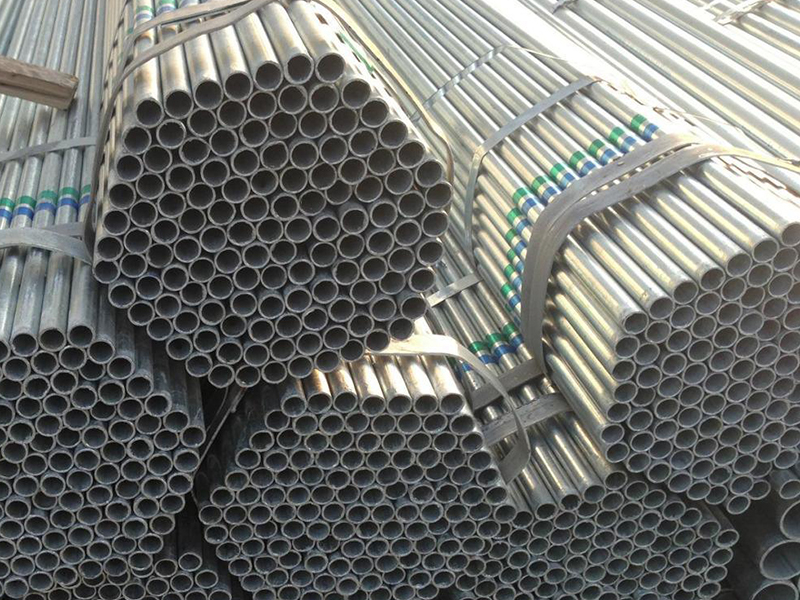
Galvanized Steel Pipes: Corrosion Resistance for Outdoor Applications
Galvanized steel pipes are coated with zinc to protect them from corrosion. This makes them ideal for use in environments where the pipes are exposed to moisture and other corrosive elements.
Key Applications:
● Plumbing: Galvanized pipes are commonly used in residential and industrial plumbing systems where exposure to water is frequent.
● Agriculture: These pipes are used in irrigation systems, ensuring long-lasting durability despite constant water exposure.
● Construction: In outdoor construction, galvanized pipes are often used for structural supports, such as handrails and fencing, where they need to resist rust and corrosion.
Benefit | Description |
Corrosion Resistance | Zinc coating prevents rust and oxidation, prolonging the pipe's lifespan. |
Structural Longevity | Galvanized pipes can last over 100 years in certain environments, reducing replacement costs. |
Affordability | Compared to stainless steel, galvanized pipes are more cost-effective while offering solid protection. |
Low Maintenance | The protective zinc coating requires minimal maintenance, reducing long-term upkeep. |
Easy to Inspect | Galvanized pipes have a smooth finish, making it easier to visually inspect for wear or damage. |
Ruggedness | They are tough and can withstand harsh environmental conditions, ideal for outdoor applications. |
Black Steel Pipes: Reliable for Gas and Water Transport
Black steel pipes are characterized by their uncoated surface, making them suitable for high-pressure applications. Though they are not recommended for transporting potable water, they work well in gas and heating systems.
Key Applications:
● Gas Pipelines: Black steel pipes are often used to carry natural gas, as they can handle high pressures without corrosion issues.
● Heating Systems: These pipes are commonly used for central heating systems due to their ability to withstand high temperatures.
● Firefighting Systems: In industrial settings, black steel pipes serve as the backbone of firefighting systems, ensuring that water can be transported effectively under pressure.
Stainless Steel Pipes: Aesthetic Appeal with Superior Corrosion Resistance
Stainless steel pipes offer a blend of beauty and functionality. Known for their corrosion resistance and sleek appearance, they are used in both functional and decorative applications.
Key Applications:
● Food and Beverage: Stainless steel’s non-reactive nature makes it an excellent choice for food processing and beverage production lines, where hygiene is essential.
● Architectural Uses: Stainless steel pipes are often used in construction, particularly in modern buildings where both aesthetics and durability are necessary.
● Marine Applications: Due to its resistance to corrosion in saltwater, stainless steel is frequently used in marine environments, such as in ships and offshore platforms.
Alloy Steel Pipes: Strength and Durability for High-Pressure and High-Temperature Needs
Alloy steel pipes are manufactured with added elements such as chromium and molybdenum, which significantly enhance their strength and resistance to high temperatures and pressure.
Key Applications:
● Power Generation: Alloy steel pipes are commonly used in power plants, especially for handling high-temperature steam and hot gases.
● Chemical Processing: These pipes are ideal for environments that involve corrosive chemicals or high-pressure systems.
● Automotive: Alloy steel is used in automotive components, including drive shafts and axles, where strength and wear resistance are critical.
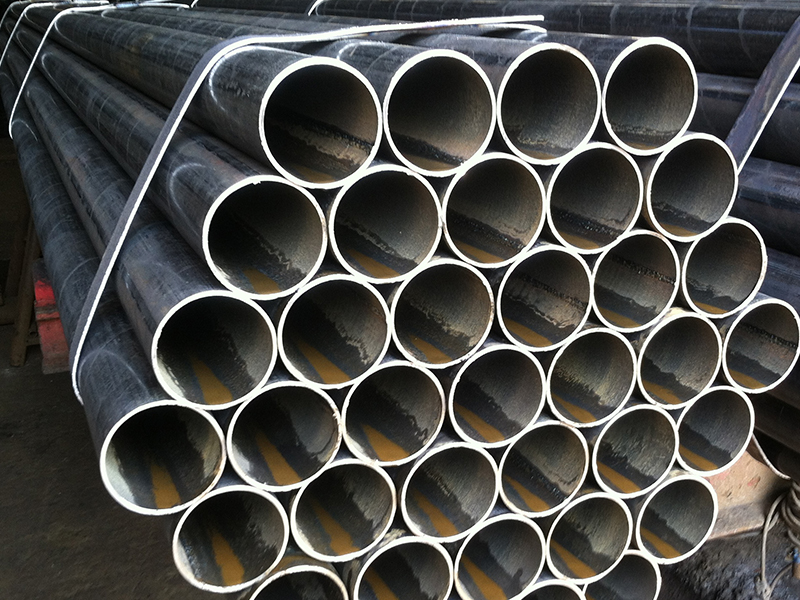
Carbon Steel Pipes: Versatility for Industrial and Residential Use
Carbon steel pipes are among the most commonly used types of steel pipes. They are highly versatile, cost-effective, and provide excellent strength, making them suitable for both industrial and residential applications.
Key Applications:
● Construction: Carbon steel pipes are used for structural elements in construction projects, such as support beams and columns.
● Plumbing: These pipes are commonly used in plumbing systems for both residential and industrial buildings.
● Oil and Gas: Carbon steel is frequently used in the oil and gas industry for pipelines transporting crude oil or natural gas.
Duplex Stainless Steel Pipes: High Strength and Corrosion Resistance for Marine Applications
Duplex stainless steel pipes combine the strength of ferritic steel and the corrosion resistance of austenitic steel. This makes them ideal for environments where both strength and corrosion resistance are required.
Key Applications:
● Marine: These pipes are used in offshore oil rigs, ships, and other marine environments where saltwater exposure is common.
● Chemical Processing: Duplex stainless steel pipes are often found in chemical plants where the resistance to corrosive substances is crucial.
● Offshore Installations: Due to their durability in harsh marine environments, they are commonly used in offshore construction and drilling.
Pre-Insulated Steel Pipes: Efficient Temperature Control in Energy Systems
Pre-insulated pipes are designed with a layer of insulation to help maintain the temperature of the fluid inside, reducing energy loss over long distances. These pipes are essential in energy-efficient systems.
Key Applications:
● District Heating: These pipes are commonly used in district heating systems where thermal energy needs to be efficiently transported over long distances.
● Geothermal Systems: Pre-insulated pipes are ideal for geothermal installations where maintaining fluid temperature is crucial to the system's efficiency.
Precision Steel Pipes: High Tolerance Pipes for Automotive and Aerospace
Precision steel pipes are designed to meet tight tolerances and are used in industries that require exact measurements, such as automotive and aerospace.
Key Applications:
● Automotive: These pipes are used in fuel lines, brake rods, and hydraulic systems, where precision is critical.
● Aerospace: Precision pipes are used in aerospace applications, such as in aircraft fuel systems, where even the slightest deviation can lead to failure.
Structural Steel Pipes: Essential for Construction and Infrastructure Projects
Structural steel pipes provide vital support in construction, particularly for frameworks and load-bearing structures. Their strength and ability to withstand heavy loads make them indispensable in the construction industry.
Key Applications:
● Building Frames: Structural steel pipes are used to form the skeleton of large buildings, offering both strength and stability.
● Bridges and Infrastructure: These pipes are also used in the construction of bridges, highways, and other infrastructure, where durability is crucial.
Pipe Type | Common Applications | Ideal Use Cases | Pressure Rating | Temperature Resistance |
Seamless Steel | Oil & Gas, Power Generation, Aerospace | High-pressure systems, critical structural parts | Very high | High (extreme conditions) |
Welded Steel | Water & Gas Transport, Construction, Automotive | Moderate pressure, cost-effective applications | Medium | Moderate |
Galvanized Steel | Plumbing, Agriculture, Construction | Outdoor use, corrosion-resistant environments | Medium to low | Low to moderate |
Black Steel | Gas pipelines, Heating Systems, Firefighting | High-pressure gas and water systems | High | High |
Stainless Steel | Food & Beverage, Marine, Architecture | Corrosion-resistant applications, aesthetic needs | High | High |
Alloy Steel | Power Generation, Chemical Processing, Automotive | High-temperature, high-pressure environments | Very high | Very high |
Carbon Steel | Construction, Oil & Gas, Plumbing | Versatile, cost-effective use | Medium | Moderate |
Duplex Stainless Steel | Marine, Chemical Processing, Offshore | Harsh environments with saltwater or corrosive chemicals | Very high | High |
Pre-insulated Steel | District Heating, Geothermal Systems | Energy-efficient applications, temperature control | Low to medium | High |
Precision Steel | Automotive, Aerospace | High-precision components | High | Moderate |
Structural Steel | Construction, Infrastructure | Load-bearing applications | Very high | Moderate |
Pipe Type | Outer Diameter (mm) | Wall Thickness (mm) | Length (m) |
Seamless Steel | 21.3 - 660 | 1.0 - 20 | 3 - 12 or custom |
Welded Steel | 21.3 - 660 | 1.0 - 20 | 3 - 12 or custom |
Galvanized Steel | 21.3 - 219.1 | 1.0 - 12 | 5 - 14, custom lengths |
Black Steel | 21.3 - 219.1 | 1.0 - 12 | 3 - 12 or custom |
Stainless Steel | 21.3 - 660 | 1.0 - 20 | 3 - 12 or custom |
Alloy Steel | 21.3 - 660 | 1.0 - 20 | 3 - 12 or custom |
Carbon Steel | 21.3 - 660 | 1.0 - 20 | 3 - 12 or custom |
Duplex Stainless Steel | 21.3 - 660 | 1.0 - 20 | 3 - 12 or custom |
Pre-insulated Steel | 21.3 - 660 | 1.0 - 20 | 3 - 12 or custom |
Precision Steel | 21.3 - 660 | 1.0 - 20 | 3 - 12 or custom |
Structural Steel | 40 x 20 - 240 x 120 | 1.6 - 16 | 5.8 - 12 |
Conclusion
Steel pipes offer versatile solutions for industrial, commercial, and residential needs. From seamless pipes for high-pressure systems to galvanized pipes for corrosion resistance, each type provides unique benefits. Choosing the right pipe ensures optimal performance and durability. Whether in construction, power generation, or marine industries, understanding each pipe’s benefits will help you make the best decision. At sukalp, our high-quality products deliver exceptional value and long-lasting reliability for your projects.
FAQ
Q: What are the different types of steel pipes and their uses?
A: Steel pipes come in various types, including seamless, welded, galvanized, and stainless steel pipes. Each type has specific applications, such as seamless pipes for high-pressure systems and galvanized pipes for corrosion resistance.
Q: Why should I choose seamless steel pipes?
A: Seamless steel pipes offer superior strength and durability, making them ideal for high-pressure applications. They are commonly used in industries like oil and gas, power generation, and aerospace.
Q: How do galvanized steel pipes prevent corrosion?
A: Galvanized steel pipes are coated with zinc, which protects the steel from rust and corrosion. This makes them a cost-effective solution for plumbing, irrigation, and outdoor construction.
Q: What is the cost difference between welded and seamless steel pipes?
A: Welded steel pipes are generally more affordable than seamless pipes. However, seamless pipes offer higher durability and are better suited for high-pressure applications. The choice depends on your project needs and budget.