Introduction
Selecting the right steel pipe size is crucial for any project. Steel pipes are used in construction, plumbing, and energy systems. Choosing the correct size ensures safety and performance. In this article, we will explain steel pipe dimensions and provide a helpful size chart.
You will understand how to select the right pipe for your project needs. At sukalp, we offer high-quality steel pipes to meet your requirements. Learn more about our products.
Understanding Steel Pipe Dimensions
What Are the Key Components of Steel Pipe Dimensions?
Steel pipe dimensions primarily consist of three components: outer diameter (OD), wall thickness (WT), and length. These elements determine how well the pipe will perform under various conditions.
● Outer Diameter (OD): The outer diameter refers to the total external measurement of the pipe. It is essential for determining compatibility with flanges, fittings, and connectors. Typically, the OD remains constant across different schedules for the same Nominal Pipe Size (NPS).
● Wall Thickness (WT): Wall thickness is critical in determining a pipe’s strength and pressure tolerance. The thicker the wall, the higher the pressure the pipe can withstand. Wall thickness is often indicated by the pipe’s schedule, such as Schedule 40, Schedule 80, or Schedule 160.
● Length: Steel pipes are usually available in standard lengths like 6 meters or 12 meters. However, customized lengths can be produced based on the specific needs of a project.
Why Is Nominal Pipe Size (NPS) Important in Steel Pipe Selection?
Nominal Pipe Size (NPS) is a standardized system used to define the internal diameter of the pipe. It plays a vital role in ensuring compatibility with various fittings, valves, and other components. However, NPS does not exactly represent the pipe's dimensions, as the actual outer diameter (OD) can vary.
For example:
● NPS 1/8 pipe has an actual outer diameter of 0.405 inches (10.3 mm).
● NPS 2 pipe has an outer diameter of 2.375 inches (60.3 mm).
Thus, while NPS is a convenient reference, the actual size of the pipe will depend on both its NPS and wall thickness. Understanding this system helps prevent confusion when selecting pipes for your projects.
The Role of Wall Thickness and Pipe Schedules
Pipe schedule refers to the thickness of a pipe's walls. The schedule affects the pipe’s pressure resistance, strength, and durability. Pipes with thicker walls can handle higher pressures and harsher conditions.
● Schedule 40: This is the most common schedule and is used for general-purpose applications, including water supply and drainage.
● Schedule 80: This thicker-walled pipe is ideal for applications requiring more pressure resistance, such as industrial systems or gas pipelines.
Higher schedule numbers (like Schedule 160) are used for systems with extreme pressure requirements. Choosing the right schedule is essential for ensuring the pipe can handle the operating conditions without failure.
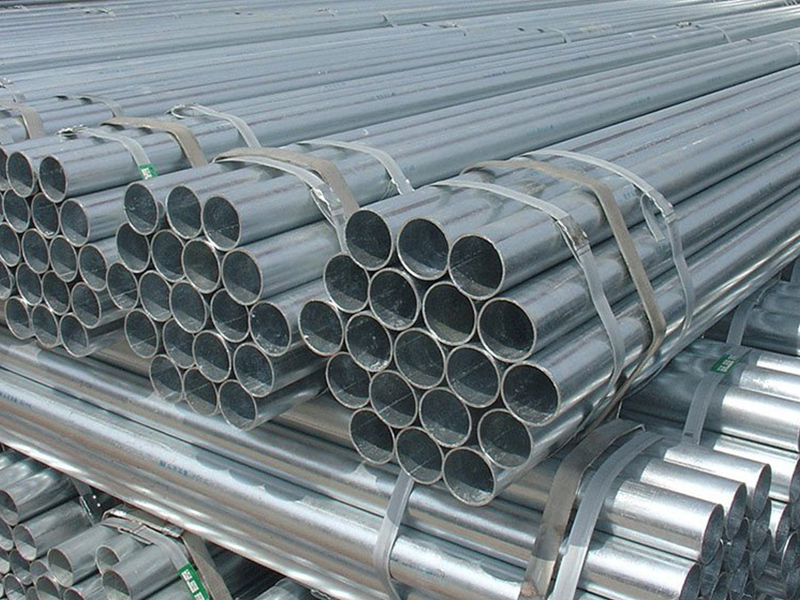
Steel Pipe Schedules Explained
What Does Pipe Schedule Mean?
A pipe schedule describes the thickness of the pipe wall, which impacts its strength and pressure tolerance. A higher schedule number indicates a thicker wall, which allows the pipe to withstand more pressure. The pipe schedule is crucial for determining the appropriate pipe for each application.
● Schedule 40: Common in residential and light industrial use, it provides moderate strength and is suitable for most standard applications.
● Schedule 80: This schedule has a thicker wall and is used in applications that require more pressure resistance, such as high-pressure water or gas systems.
How Does Schedule Affect Pressure and Performance?
The schedule number of a pipe directly impacts its pressure rating. For instance, Schedule 40 pipes can handle lower pressures compared to Schedule 80 pipes, which are stronger and more durable. When selecting a pipe, always consider the pressure requirements of the system and match it with the appropriate schedule.
Common Pipe Schedule Classifications
In addition to Schedule 40 and Schedule 80, pipes can be classified by weight classes, such as:
● STD (Standard Weight): Used for low-pressure systems.
● XS (Extra Strong): Suitable for higher-pressure applications.
● XXS (Double Extra Strong): Ideal for systems requiring extreme pressure and durability.
The Steel Pipe Size Chart
Understanding the Steel Pipe Dimensions Chart
A steel pipe size chart provides detailed information about various steel pipe sizes, including NPS, outer diameter (OD), and wall thickness for each schedule. This chart is essential for choosing the right pipe for specific applications, as it helps you match the pipe’s dimensions with your project’s requirements.
Steel Pipe Sizes and Wall Thickness for Schedule 40 and Schedule 80
NPS | Outer Diameter (OD) | Schedule 40 Wall Thickness (WT) | Schedule 80 Wall Thickness (WT) |
1/8 | 0.405 inches (10.3 mm) | 0.049 inches (1.24 mm) | 0.065 inches (1.65 mm) |
1 | 1.315 inches (33.4 mm) | 0.140 inches (3.56 mm) | 0.179 inches (4.55 mm) |
2 | 2.375 inches (60.3 mm) | 0.154 inches (3.91 mm) | 0.218 inches (5.54 mm) |
6 | 6.625 inches (168.3 mm) | 0.280 inches (7.11 mm) | 0.432 inches (10.97 mm) |
12 | 12.750 inches (323.8 mm) | 0.406 inches (10.32 mm) | 0.687 inches (17.46 mm) |
This table shows the outer diameter and wall thickness for Schedule 40 and Schedule 80 pipes for various NPS sizes. By referencing the chart, you can select the right pipe for your project’s pressure and strength requirements.
Common Steel Pipe Sizes and Their Dimensions
Steel pipes come in many sizes, and the dimensions vary depending on the NPS and the schedule. For instance, an NPS 1/8 pipe has a diameter of 0.405 inches (10.3 mm), while an NPS 12 pipe has an outer diameter of 12.75 inches (323.8 mm). Steel pipe charts typically provide detailed data on each NPS size, including the actual outer diameter, wall thickness for different schedules, and weight per foot. This is crucial for accurate ordering and fitting selection.
Comparison of Steel Pipe Sizes for Various Applications
Application | Pipe Size (NPS) | Typical Wall Thickness | Schedule |
Residential Plumbing | 1/2 | 0.140 inches (3.56 mm) | Schedule 40 |
Gas Pipelines | 2 | 0.154 inches (3.91 mm) | Schedule 80 |
Industrial Water Lines | 6 | 0.280 inches (7.11 mm) | Schedule 40 |
Oil Transport | 12 | 0.406 inches (10.32 mm) | Schedule 80 |
This table provides a comparison of typical pipe sizes for various applications. It can help guide decisions when determining the most appropriate pipe size for your system.
Comparing Steel Pipe Sizes for Various Applications
Different projects require different steel pipe sizes. For example:
● Smaller pipes (NPS 1/8 to NPS 3) are commonly used for residential and light commercial applications.
● Larger pipes (NPS 12 and above) are used for industrial and high-pressure systems, such as oil and gas pipelines.
By comparing the steel pipe sizes based on the application, you can ensure that the correct pipe size is selected for optimal performance.
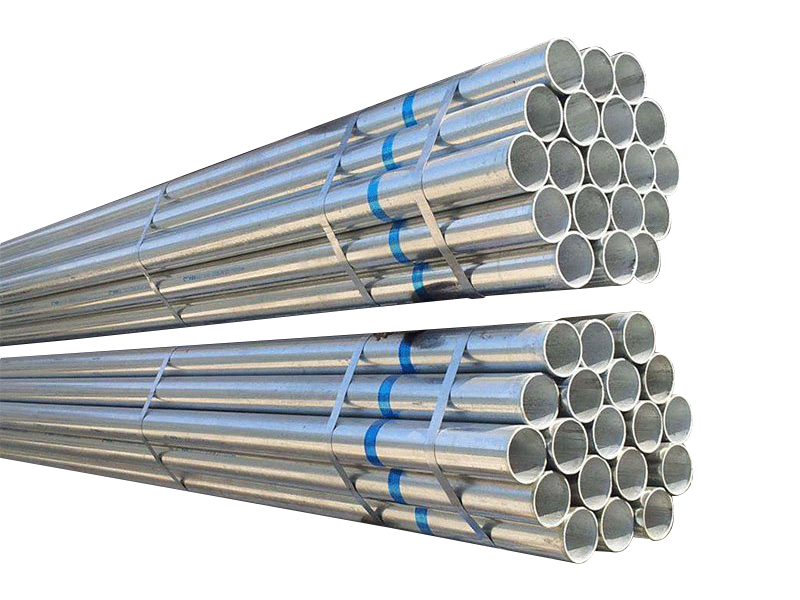
How to Select the Correct Steel Pipe Size for Your Project
How Do I Match Pipe Size with System Requirements?
Selecting the right steel pipe size involves understanding the system’s flow, pressure, and temperature requirements. For example, a system that needs to transport high-pressure water should use a thicker-walled pipe (like Schedule 80 or Schedule 160) to withstand the pressure.
How to Avoid Common Mistakes in Pipe Sizing?
A common mistake is focusing only on the NPS and neglecting the wall thickness or schedule. Always check both NPS and schedule to ensure the pipe meets your project’s needs. Double-check the required wall thickness and pressure rating to prevent costly mistakes.
Best Practices for Communicating Steel Pipe Dimensions
When ordering steel pipes, always specify the NPS, schedule, and material. This ensures the right pipe is selected, avoiding compatibility issues during installation. Also, clarify the pipe’s length and weight requirements, especially for larger projects that require custom pipe sizes.
Steel Pipe Size and Weight Classes
Understanding the Weight Class of Steel Pipes
Steel pipes are also classified by their weight, with classifications such as Standard Weight (STD), Extra Strong (XS), and Double Extra Strong (XXS). These weight classifications indicate the pipe’s ability to handle pressure and its durability in different environments.
Pipe Weight Classes and Their Applications
Weight Class | Pipe Schedule | Typical Applications |
STD (Standard) | Schedule 40 | General-purpose plumbing |
XS (Extra Strong) | Schedule 80 | Industrial applications, gas lines |
XXS (Double Extra Strong) | Schedule 160 | High-pressure systems, oil pipelines |
How to Calculate the Weight of Steel Pipes
To calculate the weight of a steel pipe, use the formula that multiplies the pipe’s length by the weight per unit length. The weight varies based on the pipe’s outer diameter, wall thickness, and material. Steel pipes with thicker walls will weigh more, which can impact transportation and installation costs.
Conclusion
Choosing the right steel pipe size is essential for the success of your project. Understanding key dimensions like NPS, outer diameter (OD), and wall thickness ensures you select the correct pipe. Always consider pressure, temperature, and flow rate for optimal performance. At sukalp, our high-quality steel pipes provide durability and strength, meeting your specific needs across industries like construction, energy, and plumbing.
FAQ
Q: What are the key components of steel pipe dimensions?
A: The key components of steel pipe dimensions include outer diameter (OD), wall thickness (WT), and length. These elements determine the pipe's strength, pressure tolerance, and compatibility with fittings.
Q: How do I choose the right pipe schedule for my project?
A: The right pipe schedule depends on the pressure and temperature conditions of your system. Schedule 40 is for general use, while Schedule 80 is preferred for higher-pressure systems.
Q: What is the difference between NPS and actual pipe size?
A: NPS refers to the nominal internal diameter, but the actual outer diameter (OD) is slightly larger. Understanding both helps ensure proper pipe and fitting compatibility.
Q: How can I calculate the weight of a steel pipe?
A: To calculate the weight of a steel pipe, multiply the length of the pipe by its weight per unit length, which depends on the outer diameter, wall thickness, and material type.