Stainless steel coils are essential in many industries, from construction to food processing. Known for their durability and resistance to corrosion, they play a key role in countless applications. But with so many options available, choosing the right stainless steel coil can be a daunting task. In this article, we'll break down the key factors you need to consider when selecting stainless steel coils. You’ll learn about different grades, specifications, and buying considerations to make the best decision for your project’s needs.
Key Takeaways
Types of Stainless Steel Coils: Hot-rolled, cold-rolled, and specialty coils offer different characteristics based on manufacturing processes and alloying elements.
Grades of Stainless Steel Coils: 304, 316, and 430 are common grades, each with its specific advantages like corrosion resistance, strength, and cost-effectiveness.
Specifications: Coil dimensions, finishes, and mechanical properties like tensile strength and yield strength affect the material’s performance in manufacturing processes.
Buying Considerations: Understanding application requirements, certifications, and selecting a reputable supplier ensures the best material for your project.
Applications: Stainless steel coils are used in diverse industries, including construction, automotive, and food processing, thanks to their durability and flexibility.
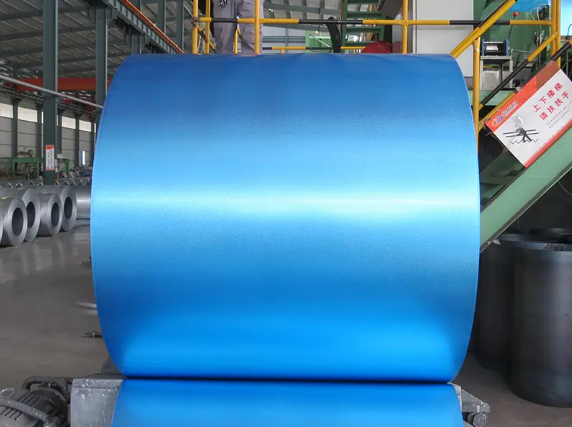
Types of Stainless Steel Coils
Hot-Rolled Stainless Steel Coils
Overview of Process:
Hot-rolled stainless steel coils are created by heating steel slabs at temperatures above 1700°F. The steel is then passed through heavy rollers to reduce its thickness and transform it into a coiled strip. This process gives the coil a rougher surface finish and makes it suitable for a variety of industrial applications.
Common Uses:
Advantages & Limitations:
Advantages: Durable, strong, and cost-effective.
Limitations: Rougher surface finish and less dimensional accuracy compared to cold-rolled coils.
When to Choose Hot-Rolled Stainless Steel Coils:
Opt for hot-rolled coils when you need a durable material for structural applications where finish quality isn’t a primary concern.
Cold-Rolled Stainless Steel Coils
Overview of Process:
Cold-rolled stainless steel coils are produced by pickling hot-rolled steel to remove oxide layers and then rolling the steel at lower temperatures. This process results in a smooth surface finish and tight dimensional tolerances, making cold-rolled coils ideal for applications that demand precision.
Common Uses:
Advantages & Limitations:
Advantages: Higher strength, smoother surface finish, and tighter tolerances.
Limitations: More expensive than hot-rolled coils due to the extra processing steps.
When to Choose Cold-Rolled Stainless Steel Coils:
Cold-rolled coils are best suited for projects where surface appearance and dimensional accuracy are crucial, such as in automotive and consumer goods manufacturing.
Specialty Stainless Steel Coils
Overview of Process:
Specialty stainless steel coils are typically alloyed with additional metals like molybdenum, titanium, or manganese to enhance specific properties. These coils are designed for high-performance applications that require superior strength, temperature resistance, or corrosion resistance.
Common Uses:
Advantages & Limitations:
Advantages: Enhanced mechanical properties, high resistance to extreme conditions, and greater durability.
Limitations: Higher costs due to the specialized alloy composition.
When to Choose Specialty Stainless Steel Coils:
If your project involves harsh environments or critical applications like aerospace or chemical processing, specialty coils are an ideal choice.
Grades of Stainless Steel Coils
304 Stainless Steel Coils
Properties:
304 stainless steel is one of the most widely used grades due to its excellent corrosion resistance and versatility. It is composed of 18% chromium and 8% nickel, providing a balanced combination of strength and formability.
Common Applications:
When to Choose 304 Stainless Steel Coils:
304 coils are perfect for general-purpose applications where moderate corrosion resistance and good weldability are needed.
316 Stainless Steel Coils
Properties:
316 stainless steel is similar to 304 but includes molybdenum for enhanced corrosion resistance, particularly in chloride environments. It is highly resistant to pitting and crevice corrosion, making it ideal for marine and chemical applications.
Common Applications:
When to Choose 316 Stainless Steel Coils:
Choose 316 coils when working in environments exposed to harsh chemicals or saltwater, such as the marine or medical industry, where corrosion resistance is critical.
430 Stainless Steel Coils
Properties:
430 stainless steel is a ferritic grade known for its magnetic properties and cost-effectiveness. It is less corrosion-resistant than 304 or 316 but offers a good balance of performance and price.
Common Applications:
Automotive trim
Household appliances
Decorative finishes
When to Choose 430 Stainless Steel Coils:
430 coils are ideal for cost-sensitive projects where moderate corrosion resistance and a magnetic property are desirable.
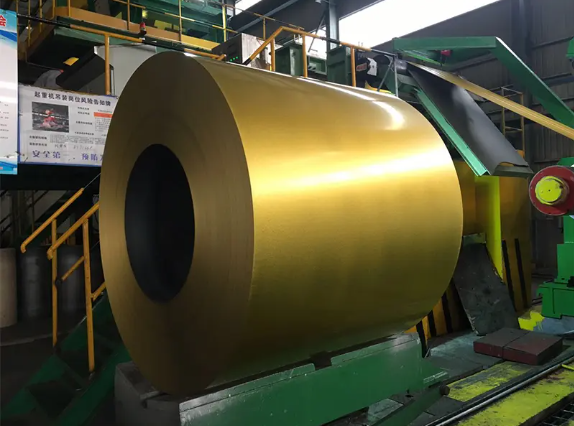
Key Specifications for Stainless Steel Coils
Finish
Stainless steel coils are available in several finishes, each tailored for different applications:
| Finish Type | Description | Common Uses |
| No. 1 | Hot-rolled, annealed, descaled, dull finish | Industrial applications |
| 2B | Cold-rolled, smooth, semi-dull finish | General-purpose uses |
| No. 4 | Brushed finish with visible grain | Architectural and kitchen equipment |
| BA | Bright Annealed, mirror-like finish | High-visibility and decorative applications |
How to Choose:
Select the finish based on the aesthetic and functional requirements of your project. For example, No. 4 is suitable for architectural trim, while BA is perfect for high-end consumer products.
Dimensions and Tolerances
The dimensions of stainless steel coils—such as thickness, width, and length—are critical to ensuring proper fitment and performance in manufacturing processes. Tighter tolerances result in better forming accuracy and reduced scrap during production.
| Dimension Type | Tolerance Level | Impact on Manufacturing |
| Width | ±0.002" | Affects tool wear, die clearance |
| Thickness | ±0.001" | Impacts material flow and part quality |
| Length | Customizable | Affects coil handling and shipping costs |
Impact on Manufacturing:
Width and Thickness: Small variations can lead to issues like galling, increased tooling wear, or part defects.
Edge Condition: Mill edges may be irregular, while slit edges are more precise.
How to Choose:
Consider the exact dimensions required for your application and ensure that the supplier can provide coils with consistent tolerances across the entire width and length.
Mechanical Properties
Key Metrics:
Tensile Strength: The force required to break the material.
Yield Strength: The point at which the material deforms permanently.
Hardness: Resistance to indentation and scratching.
Elongation: The ability to stretch without failing.
| Mechanical Property | Description | Impact on Application |
| Tensile Strength | Maximum stress before breaking | Determines load-bearing capacity |
| Yield Strength | Point of permanent deformation | Affects part shapeability |
| Hardness | Resistance to surface deformation | Influences wear resistance |
| Elongation | Ability to stretch without breaking | Determines formability |
How These Affect Forming:
Understanding the mechanical properties of a stainless steel coil helps determine how it will behave during processes like stamping or deep-drawing. For example, materials with high tensile strength can withstand greater stresses during forming but may require more force to shape.
Buying Considerations and Partnering with a Reputable Supplier
Application Requirements
Before selecting a stainless steel coil, it's essential to understand your project’s mechanical and environmental requirements. Ask yourself:
How to Choose the Right Grade and Finish:
Align the coil's properties with the demands of your project to ensure that it performs optimally. For instance, if corrosion resistance is critical, choose a grade like 316.
Material Certification
Importance of Mill Test Certificates (MTC):
An MTC verifies the chemical composition and mechanical properties of the stainless steel coil. This ensures that the material meets the specified standards and is suitable for its intended use.
Why You Need It:
An MTC ensures transparency and guarantees that you’re getting the quality you paid for, reducing the risk of material failure down the line.
Supplier Reputation and Expertise
Choosing a Trusted Supplier:
Partnering with a reputable supplier ensures consistent quality and support throughout the procurement process. Suppliers should offer technical advice, understand your needs, and provide the right coil for your project.
How to Evaluate:
Look for suppliers with a strong track record, reliable delivery times, and the ability to provide technical support when needed.
Applications of Stainless Steel Coils
Construction and Architecture
Use Cases:
Stainless steel coils are widely used in construction for building facades, roofing, and structural components. Their corrosion resistance and durability make them ideal for exterior applications exposed to the elements.
Why Stainless Steel?
Its strength, corrosion resistance, and aesthetic versatility make it an excellent choice for high-performance, long-lasting architectural designs.
Automotive and Aerospace
Use Cases:
In the automotive industry, stainless steel coils are used for car frames, exhaust systems, and trim. Aerospace applications include components exposed to high stress and extreme temperatures.
Why Stainless Steel?
Its high strength-to-weight ratio, combined with excellent corrosion resistance, makes it the ideal material for both automotive and aerospace industries.
Food and Beverage Industry
Use Cases:
Stainless steel’s hygiene properties make it perfect for kitchen equipment, food storage, and countertops.
Why Stainless Steel?
It is easy to clean, resists corrosion, and maintains a long lifespan, making it ideal for environments where hygiene and durability are paramount.
Conclusion
Stainless steel coils are crucial for industries requiring durability, corrosion resistance, and versatility. By understanding the various grades, finishes, and specifications, you can choose the right coil for your specific needs. Whether you're in construction, automotive, or food processing, selecting the appropriate material is key to ensuring performance and longevity. Working with reputable suppliers like SUKALP can help you access high-quality coils that meet your exact requirements. Their expertise and product offerings, including top-grade Galvalume steel coils, ensure you receive the best materials for your project’s success.
FAQ
Q: What are stainless steel coils?
A: Stainless steel coils are continuous strips of stainless steel wound into rolls. They are used in a variety of industries due to their strength, corrosion resistance, and versatility.
Q: How do I choose the right stainless steel coil for my project?
A: Choosing the right stainless steel coil depends on factors like grade, finish, and application requirements. Understanding the mechanical properties and environmental conditions will guide your decision.
Q: What are the most common grades of stainless steel coils?
A: The most common grades of stainless steel coils include 304, 316, and 430. These grades offer varying levels of corrosion resistance, strength, and formability for different applications.
Q: Why are stainless steel coils preferred in certain industries?
A: Stainless steel coils are preferred for their durability, resistance to corrosion, and adaptability. They are commonly used in industries such as construction, automotive, and food processing.