Introduction
Choosing the right piping material can be challenging. Carbon steel and black steel pipes are two popular options.
This article compares carbon steel and black steel pipes. You'll learn their differences, advantages, and ideal uses.
At sukalp, we offer high-quality pipes designed for long-lasting performance. Learn more about our products.
What Are Carbon Steel Pipes?
Composition and Manufacturing Process of Carbon Steel Pipes
Carbon steel pipes are made primarily from iron and carbon, with varying levels of carbon content. The carbon content can range from 0.05% to 2.5%, which affects the pipe's hardness, strength, and brittleness. Carbon steel pipes are typically manufactured through processes such as seamless, spiral-welded, and butt-welded methods, each offering different physical properties and benefits.
Key Properties of Carbon Steel Pipes
Carbon steel pipes are known for their strength and durability. They are highly resistant to pressure and offer good performance in structural applications. However, carbon steel pipes are prone to rusting over time if not properly maintained or coated, especially when exposed to moisture and corrosive elements.
Common Applications of Carbon Steel Pipes
Due to their high strength and resistance to pressure, carbon steel pipes are commonly used in the construction industry for structural applications, such as in buildings and bridges. They are also widely used in the oil and gas industry for transporting materials under high pressure.
Examples: Oil and gas pipelines, structural steel frameworks, water transportation systems.
What Are Black Steel Pipes?
Composition and Manufacturing Process of Black Steel Pipes
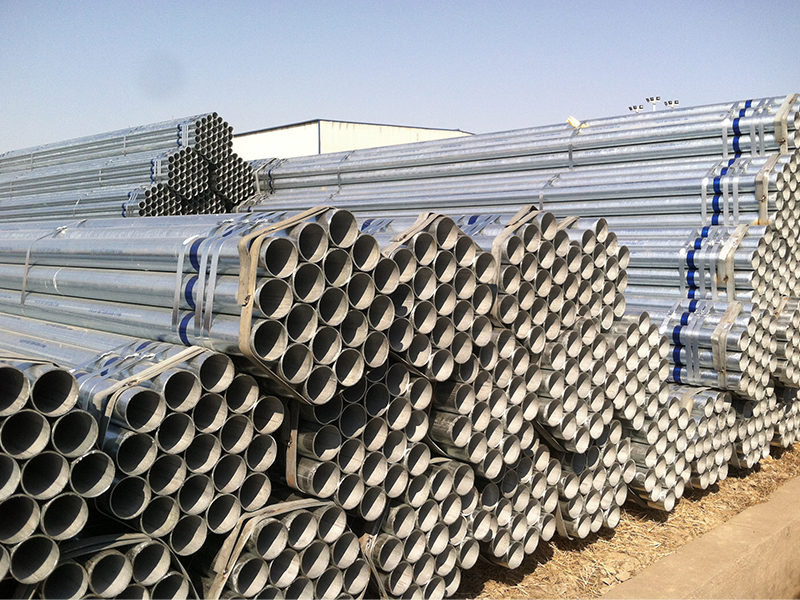
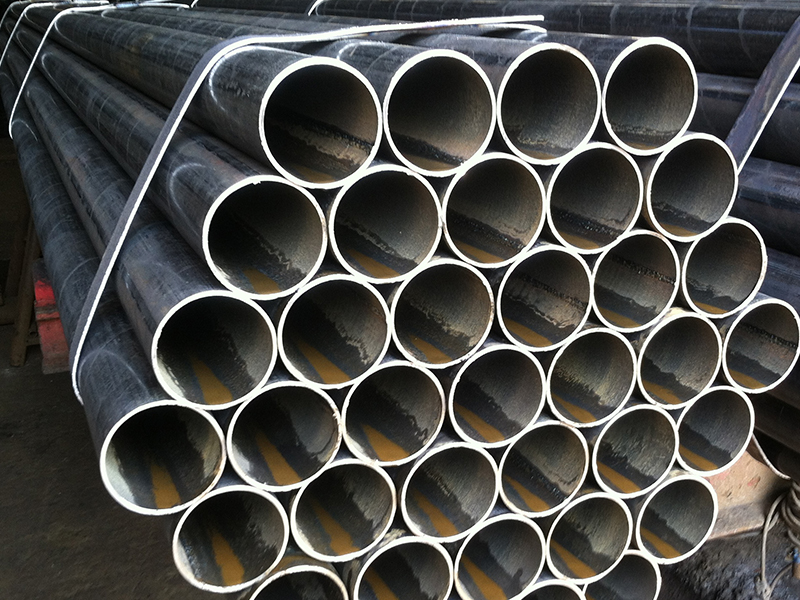
Black steel pipes are a type of carbon steel pipe, but they differ in that they do not undergo galvanization. Instead, they acquire their characteristic dark finish from a process where the steel surface forms an iron oxide layer. This layer provides some resistance to corrosion, though black steel pipes are still vulnerable in highly corrosive environments.
Black steel pipes are typically used for low-pressure applications and are often produced using a seamless or welded process.
Characteristics of Black Steel Pipes
The primary distinguishing feature of black steel pipes is their dark appearance, which results from the iron oxide layer that forms during manufacturing. While they are durable, they are not as resistant to corrosion as galvanized pipes or other more corrosion-resistant materials. Black steel pipes are widely used for transporting gas and oil and are favored for their affordability.
Common Applications of Black Steel Pipes
Black steel pipes are used in various applications, including oil and gas pipelines, water systems, and fire sprinkler systems. They are often preferred for carrying gas in commercial buildings and transporting other fluids.
Examples: Gas transportation, HVAC systems, fire sprinkler systems.
Key Differences Between Carbon Steel Pipes and Black Steel Pipes
Composition and Manufacturing Processes Compared
Carbon steel pipes have higher carbon content compared to black steel pipes, which makes them stronger but also more brittle. Black steel pipes are made from mild steel and are known for their smooth, dark finish due to the iron oxide layer. Both types undergo different manufacturing processes, but the primary distinction is in the presence of a protective layer in black steel pipes.
Strength and Durability
Carbon steel pipes are more durable and can handle higher pressures compared to black steel pipes, which are typically used for lower-pressure applications. Carbon steel pipes' strength makes them suitable for use in heavy-duty and structural settings, whereas black steel pipes excel in applications like gas transportation, where strength is less of a concern.
Corrosion Resistance
One significant difference is the corrosion resistance of black steel pipes, which are less prone to rusting due to the protective iron oxide layer. However, they are still more susceptible to corrosion than galvanized steel pipes. Carbon steel pipes, on the other hand, are prone to rusting if exposed to moisture and corrosive elements, making them less suitable for outdoor or high-humidity environments unless treated or coated.
Property | Carbon Steel Pipes | Black Steel Pipes |
Composition | Iron + Carbon (Higher carbon content) | Iron + Carbon (Lower carbon content) |
Corrosion Resistance | Prone to rust without protection | Some protection due to iron oxide layer |
Strength | Higher strength, more brittle | Lower strength, more flexible |
Durability | Highly durable in high-pressure systems | Ideal for low-pressure systems |
Common Applications | Oil and gas pipelines, structural steel | Gas transportation, HVAC systems |
Cost Comparison: Carbon Steel vs Black Steel
Manufacturing Costs and Material Differences
Generally, black steel pipes are more affordable than carbon steel pipes. This is due to their simpler manufacturing process, which does not involve additional treatments like galvanization. Carbon steel pipes, on the other hand, typically require more complex manufacturing processes that increase their cost. Additionally, black steel pipes are made from mild steel, which is less expensive than the alloyed steels used for carbon steel pipes, making black steel pipes a cost-effective choice for many projects, especially in non-demanding applications.
Long-Term Maintenance and Replacement Costs
While carbon steel pipes might be more costly upfront, their maintenance and durability often justify the higher initial investment. Carbon steel pipes can be treated or coated to protect against corrosion, which increases their lifespan and reduces the frequency of replacement. Black steel pipes, although cheaper at first, may require more frequent maintenance and inspections, particularly in environments where rust and corrosion are a concern. Over time, black steel pipes may incur higher costs for corrosion protection, making carbon steel a more economical option in the long run for projects exposed to harsh conditions.
Cost Factor | Carbon Steel Pipes | Black Steel Pipes |
Upfront Material Cost | Higher due to higher carbon content and manufacturing complexity | Lower due to simpler manufacturing process |
Installation Costs | Generally higher, depending on application | Typically lower, due to lower material costs |
Maintenance Costs | Requires coatings or galvanization for corrosion resistance | Minimal maintenance, but requires more frequent inspections in corrosive environments |
Lifespan | Longer lifespan if treated or coated | Shorter lifespan if not coated or protected from corrosion |
Applications Based on Corrosion Resistance
Carbon Steel in Non-Corrosive Environments
Carbon steel pipes are best suited for dry, non-corrosive environments where exposure to moisture and harsh chemicals is minimal. For instance, they are often used in indoor plumbing, structural applications, and frameworks in buildings. In these settings, carbon steel pipes provide a cost-effective solution without compromising strength or performance. Their resistance to corrosion is adequate when not exposed to harsh elements, making them ideal for dry indoor conditions.
Black Steel in Corrosive and High-Humidity Environments
Black steel pipes are well-suited for environments where they will not be exposed to extreme moisture or corrosive agents. While they are naturally resistant to corrosion due to their iron oxide coating, they are best used in closed systems where environmental control is possible. Black steel pipes are commonly used indoors, particularly in systems like gas pipelines, heating systems, and low-pressure applications. For regions with high humidity or areas exposed to minimal corrosive elements, black steel provides a reliable and durable option.
Application Area | Carbon Steel Pipes | Black Steel Pipes |
Oil and Gas Industry | Preferred for high-pressure applications, long-distance pipelines | Used for low-pressure applications like gas transport |
Construction | Structural use in buildings, bridges, and frames | Generally used for plumbing and HVAC systems |
Water Systems | Suitable for water transport in non-corrosive environments | Ideal for water and gas systems, not recommended for highly corrosive conditions |
Fire Sprinkler Systems | Used for industrial and heavy-duty fire protection systems | Common choice due to affordability and ease of installation |
Performance Under High Temperature and Pressure
Carbon Steel Pipe Performance
Carbon steel pipes are well-known for their high performance under extreme temperatures and pressures. These pipes can endure high levels of stress and are resistant to deformation, making them ideal for heavy-duty applications such as steam systems, oil pipelines, and high-pressure fluid transportation systems. Their ability to maintain structural integrity even in high-temperature environments allows them to be used in a wide range of industries that require robust and reliable pipes for transporting hot fluids or gases.
Tip: If your application involves high pressure or temperatures, carbon steel pipes are the preferred choice due to their excellent strength and durability.
Black Steel Pipe Performance
Black steel pipes can also handle moderate temperatures and pressures. However, they are not designed to withstand the extreme conditions that carbon steel pipes can. Black steel pipes are typically used in systems where the pressure and temperature remain within normal operating ranges, such as for gas transportation, water systems, or HVAC applications. They offer flexibility and reliability in lower-stress environments but are not suited for high-pressure or high-temperature applications.
How to Choose Between Carbon Steel and Black Steel Pipes
Key Considerations for Selection
When deciding between carbon steel and black steel pipes, it is essential to consider the following factors:
● Pressure requirements: Carbon steel is ideal for high-pressure systems, offering better strength and performance under stress.
● Corrosion resistance: Black steel provides natural corrosion resistance due to its black oxide layer, but carbon steel may require additional coatings or galvanization for added protection in corrosive environments.
● Cost: Black steel is typically more affordable than carbon steel, making it the better choice for low-pressure applications where corrosion is not a significant concern.
Recommendations for Different Industries
For industries such as oil and gas, black steel pipes are often used for transporting fluids due to their ability to handle moderate pressures. In contrast, carbon steel pipes are preferred in construction, manufacturing, and other industrial sectors that require durable pipes for high-pressure systems. Carbon steel's strength makes it ideal for demanding applications, while black steel is better for simpler, low-cost applications.
Conclusion
Carbon steel and black steel pipes have unique strengths, making them ideal for different uses. Carbon steel pipes are best for high-pressure and structural applications, while black steel pipes are more suitable for fluid transport in lower-pressure systems. Understanding their differences in composition, strength, and corrosion resistance helps you make the best choice for your project. At sukalp, we provide high-quality pipes that ensure long-lasting performance and value for your piping systems.
FAQ
Q: What is the difference between carbon steel pipe and black steel pipe?
A: Carbon steel pipes have a higher carbon content, making them stronger but more brittle. Black steel pipes are carbon steel pipes with a black oxide coating, offering mild corrosion resistance.
Q: Can black steel pipes be used for high-pressure applications?
A: Black steel pipes are typically used for low-pressure applications like gas transport. For high-pressure systems, carbon steel pipes are a better choice.
Q: Are black steel pipes more affordable than carbon steel pipes?
A: Yes, black steel pipes are usually cheaper than carbon steel pipes due to their simpler manufacturing process and lack of coating.
Q: Why should I choose carbon steel pipe for my project?
A: Carbon steel pipes are ideal for high-strength, high-pressure applications, offering durability and reliability in demanding environments.