Selecting the right prepainted steel coil is one of the most important decisions in roofing design. The choice determines not only the appearance of a building but also how well the roof withstands decades of sun, rain, and corrosion. At Hangzhou Sukalp Trading Co., Ltd, we supply prepainted steel coil solutions in a wide range of substrates, coatings, and finishes to help contractors, architects, and procurement managers match product performance with climate, budget, and design expectations. Beyond durability, choosing wisely also means fewer repairs, less downtime for facilities, and a smoother ownership experience over the roof’s lifespan.
What is a prepainted steel coil and how is it made?
A prepainted steel coil, often referred to as a color coated steel coil, is produced through a continuous coil-coating process. During manufacturing, a metallic-coated steel strip is uncoiled, chemically pretreated, and passed through rollers where primer and topcoat layers are applied. These coatings are cured in high-temperature ovens before the coil is rewound. This tightly controlled process ensures consistent thickness, uniform color, and strong adhesion across every inch of the coil.
For roofing, this matters greatly. Unlike on-site painting, which is subject to weather, dust, and uneven application, coil-coating guarantees a factory-quality finish with superior resistance to fading, scratching, and corrosion. It also reduces construction time, since sheets arrive ready for forming and installation. For project managers, this translates into faster schedules and lower labor risks on site.
Quick glossary of terms
PPGI steel coil: Prepainted galvanized steel, using a zinc-coated substrate. Offers good corrosion protection at an economical cost.
PPGL steel coil: Prepainted galvalume (aluminum-zinc alloy) steel. Higher resistance in coastal or humid climates.
Common topcoats:
PVDF: Excellent long-term color and gloss retention. Ideal for landmark buildings.
HDP: Balance of cost and durability, strong weather resistance.
SMP: Good scratch resistance, moderate outdoor durability.
Polyester (PE): Budget-friendly option, suitable for low-exposure or interior use.
PPGI vs PPGL: which substrate fits your climate and exposure?
One of the first decisions in roofing projects is choosing between PPGI and PPGL. Both fall under the category of prepainted steel coil but differ in substrate.
PPGI steel coil uses a zinc-coated base steel. It is suitable for inland or moderate climates where the air is dry and salt exposure is limited. PPGI is also easier to form and more cost-effective, making it attractive for large-scale projects with limited budgets.
PPGL steel coil is based on galvalume (aluminum-zinc alloy). The aluminum content provides strong barrier protection, while zinc offers sacrificial corrosion resistance. This makes PPGL especially valuable in coastal regions, high-humidity zones, or industrial sites where airborne chemicals accelerate rust.
When reviewing supplier datasheets, pay close attention to:
Substrate type (zinc vs al-zn)
Coating system name (PVDF, SMP, HDP, PE)
Warranty coverage (film integrity, color fade, corrosion)
In certain projects, formability or unique colors may outweigh maximum corrosion resistance. For example, if a developer requires bold colors or textured finishes for a shopping complex in an inland city, a PPGI steel coil with SMP topcoat may be sufficient. For seafront villas or industrial warehouses in tropical climates, PPGL with PVDF is often the safer long-term choice. Considering lifecycle costs is vital here—a small initial saving on substrate may lead to costly replacements if exposure conditions are underestimated.
Coating systems and finishes: balancing looks and lifespan
The coating on a prepainted steel coil defines not only its performance but also its visual impact. Roofing is not just about function—it also contributes to architectural identity.
Popular coating systems for roofing include:
PVDF: Premium option with 20–30 years of gloss and color stability. Used for airports, office towers, and high-visibility projects.
HDP / SMP: Mid-range choices offering durability, scratch resistance, and cost efficiency. Popular for industrial roofs and residential developments.
PE (Polyester): Entry-level coating, good for warehouses or interior cladding where exposure is low.
Surface finishes and textures:
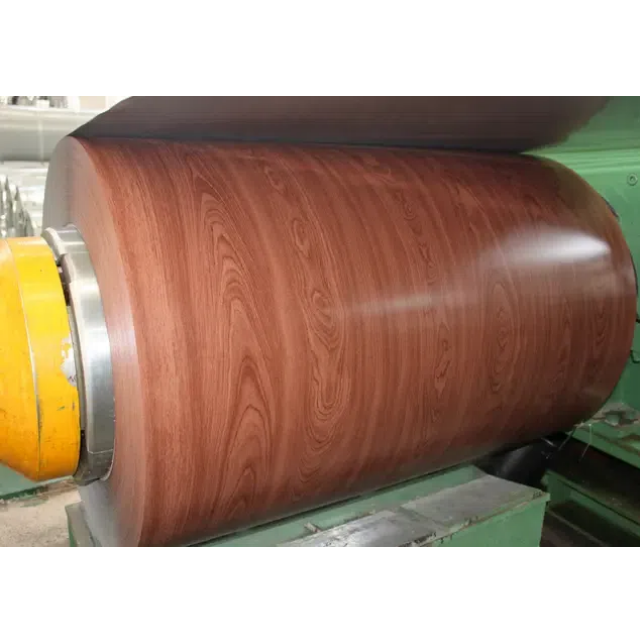
Beyond standard smooth surfaces, prepainted coils are also available with matt finishes, granular stone-like patterns, or printed woodgrain effects. These options allow roofing to imitate natural materials while retaining the durability of steel. For example, woodgrain coils may be chosen for eco-resort roofing, while stone-pattern finishes are used in heritage-style commercial centers.
Finish choice has a direct effect on lifecycle costs. A PVDF system may cost more initially but extend repainting cycles for decades. A PE system may require earlier replacement, raising long-term maintenance budgets. Aligning finish with project design life is essential. By consulting with suppliers early, specifiers can align coating performance with warranty terms and avoid unpleasant surprises after installation.
Practical selection checklist for roofing projects
When drafting tenders or procurement documents, contractors and specifiers should include clear requirements to avoid confusion later. A practical checklist includes:
Substrate: PPGI or PPGL steel coil
Coating system: PVDF, HDP, SMP, or PE
Paint film description: thickness of primer and topcoat layers
Color specification: RAL code or custom match
Edge protection: confirmation of cut-edge corrosion resistance
Warranty terms: years covered for film integrity and color fade
Sample panel approval: physical sample signed off before mass supply
Supplier test reports: corrosion resistance, adhesion, impact, and gloss retention
Red flags to watch out for:
No official datasheet provided
Refusal to supply color-matched samples
Warranty documents lacking detail or exclusions
This checklist ensures that the selected prepainted steel coil matches both performance needs and client expectations. It also helps procurement teams standardize evaluation across multiple suppliers, making competitive bidding more transparent and reliable.
Installation and maintenance tips that protect the coating
Even the best prepainted steel coil can underperform if mishandled during construction. Contractors should follow proven practices to protect the integrity of the coating:
Storage: Keep coils dry, under cover, and away from ground moisture.
Handling: Use padded slings and avoid dragging coils on hard surfaces.
Cutting and roll-forming: Use clean, sharp tools. Avoid burning or rough cutting which damages the protective edge.
Fasteners and sealing: Choose corrosion-resistant screws with matching washers. Proper sealing prevents leaks that accelerate rust.
Routine maintenance: Inspect annually, remove leaves and debris, wash with neutral cleaners, and avoid aggressive chemicals that could strip the paint film.
These steps help maximize lifespan and preserve the roof’s appearance. Simple practices like clearing gutters or replacing damaged fasteners extend the return on investment of the roofing system, ensuring that the selected coil achieves its full potential in real-world service.
Conclusion
Choosing the right prepainted steel coil for roofing is about balancing substrate, coating system, and finish with the project’s environment and design goals. With the wide range of PPGI steel coil and PPGL steel coil options available, supported by proven coil-coating technology, Hangzhou Sukalp Trading Co., Ltd helps clients secure durable, attractive, and cost-effective roofing solutions. Matching the correct coil to climate and exposure ultimately reduces lifecycle costs and extends roof performance. Contact us today to request free sample panels, detailed datasheets, and custom color runs for your next roofing project.