For modern cold storage projects, the insulation material at the core of each wall and roof panel determines long-term performance and energy costs. Among the available options, the polyurethane sandwich panel has become one of the most widely specified solutions. At Hangzhou Sukalp Trading Co., Ltd, we supply PU sandwich panels, EPS sandwich panels, and rock wool sandwich panels to global clients, and this article examines whether PU really offers the best balance for cold rooms and freezer facilities.
Why core chemistry matters in cold storage design
The fundamental role of any sandwich panel in cold storage is to reduce heat transfer between inside and outside environments. Polyurethane foam achieves this with very low thermal conductivity, meaning less heat penetrates the cold room. This directly reduces compressor runtime, ensuring stable temperature control with fewer fluctuations. In addition, strong insulation minimizes condensation risk around joints and surfaces, supporting food safety and preventing frost buildup on equipment. When the chemistry of the core is optimized, operating expenses can remain stable for decades.
PU sandwich panels: advantages for cold rooms
Thermal efficiency and energy savings
One of the main reasons PU sandwich panels are popular in refrigerated buildings is their superior insulation performance. Because polyurethane has a lower thermal conductivity than most other foams, thinner panels can reach the same thermal resistance values. For operators, this translates into lower energy bills and the possibility to maximize usable storage space.
Moisture resistance and airtightness
In cold storage design, moisture intrusion is a critical challenge. Once water vapor penetrates the insulation, frost develops inside the core, gradually reducing efficiency. PU sandwich panels are closed-cell foams that resist water absorption, helping maintain an airtight, frost-free envelope. Hygienic conditions are easier to maintain when moisture is controlled, which is why food and pharmaceutical cold rooms often rely on PU.
Lightweight and quick installation
Another practical advantage of PU sandwich panels is their low weight compared with alternatives. This makes them easier to handle, cut, and assemble, especially in modular cold room projects or when retrofitting existing warehouses. Installation is fast, often requiring only mechanical fixing to the structure with concealed or visible screws. Less installation time means earlier commissioning and reduced project costs.
Durability and pest resistance
Cold storage facilities are long-term investments. The closed-cell structure of polyurethane preserves its R-value over time and resists degradation caused by pests or mold. In contrast, some insulation materials are more prone to settling or biological contamination. With PU, the thermal envelope remains reliable for many years, supporting stable operating performance.
Risks and limits: where PU is not ideal
Fire performance concerns
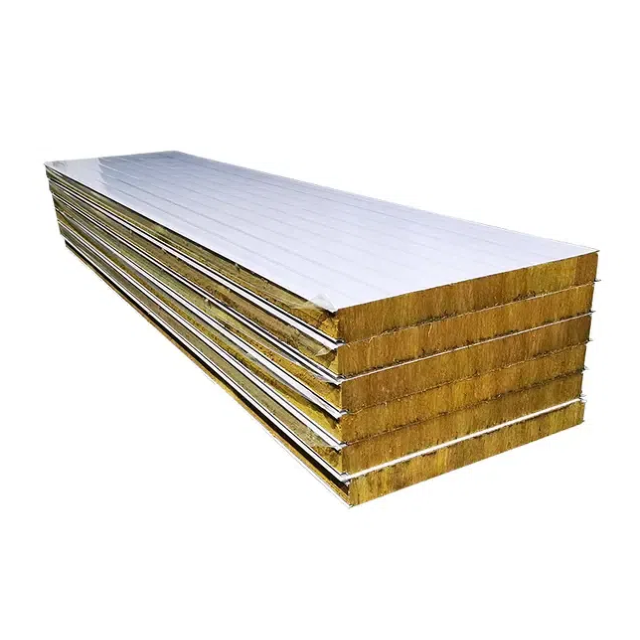
While PU offers excellent insulation, its fire performance is a key consideration. In high-risk areas or jurisdictions with strict codes, designers may prefer rock wool sandwich panels, which provide non-combustible cores and higher fire ratings. For freezer facilities in zones with tight fire safety regulations, rock wool remains the safer choice.
Mechanical impact and repair
Although PU panels are durable, they can be susceptible to dents or surface damage in areas of heavy forklift traffic or loading bays. When damaged, repairs can be more complex than with some mineral-based cores. Careful detailing of floors, doors, and loading areas is therefore important.
Environmental and recycling considerations
From an environmental perspective, PU is not as easily recyclable as EPS. Expanded polystyrene can be reprocessed into new materials, while polyurethane recycling is more complex. For clients with sustainability goals, this may influence specification decisions, especially when end-of-life disposal is considered.
Side-by-side: PU vs EPS vs Rock wool for refrigerated projects
To provide a clearer comparison, here is a quick overview of the three most common sandwich panel types for cold storage:
PU sandwich panel
Best thermal insulation (lowest thermal conductivity).
Medium cost, thinner panels achieve target values.
Moderate fire resistance; may need additional protection.
Lightweight and easy to install.
Good moisture and hygiene performance.
EPS sandwich panel
Higher thermal conductivity compared to PU, thicker panels required.
Low cost, budget-friendly option.
Lower fire rating unless treated.
Very light, easy to cut and recycle.
Hygienic performance depends on sealing.
Rock wool sandwich panel
Lower thermal insulation compared with PU.
Higher cost due to mineral core.
Excellent non-combustibility, ideal for fire-rated applications.
Heavier, slower to install.
Moisture control must be carefully managed.
For most cold storage projects, PU sandwich panels strike the best balance between performance, installation speed, and lifecycle cost. However, EPS and rock wool remain relevant where budget or fire code requirements dominate.
Design and specification checklist for cold storage
Selecting the right panel type is only part of the process. Project managers and engineers must also ensure the following points are included in design and procurement documents:
Joints and sealing: Always specify tongue-and-groove or cam-lock systems with vapor barriers to prevent leaks.
Panel thickness: Choose thickness according to target internal temperature (e.g., 100 mm for chill rooms, up to 200 mm for deep freezers).
Doors and penetrations: Detail these areas carefully to avoid thermal bridges.
Purchase order language: Request tolerance specifications, thermal conductivity values, and surface coating details from suppliers.
Commissioning: Conduct temperature ramp tests and leak checks before handover to confirm airtightness and insulation performance.
A well-specified polyurethane sandwich panel system not only reduces immediate energy consumption but also extends the life of refrigeration equipment by minimizing load fluctuations.
Case examples and ROI mindset
Consider two hypothetical projects:
Small walk-in cold room: For a restaurant or retail store, PU sandwich panels allow thinner walls, leaving more usable space inside while ensuring energy-efficient operation. The additional investment in PU panels compared to EPS pays back through lower utility bills within a few years.
Medium-size freezer warehouse: For a logistics operator, energy efficiency and fast installation are priorities. PU sandwich panels reduce the load on industrial compressors, leading to long-term savings. Even if the upfront panel cost is higher, total cost of ownership is lower.
When evaluating ROI, the key factors include temperature difference (delta-T), panel thickness, local energy costs, and refrigeration equipment specifications. PU panels consistently demonstrate strong payback performance, especially in climates with high ambient temperatures or facilities running continuously.
Conclusion
In conclusion, the polyurethane sandwich panel is often the best solution for cold storage projects where thermal efficiency, hygiene, and quick installation matter most. While rock wool sandwich panels may be chosen in areas with strict fire codes, and EPS panels appeal to cost-driven buyers, PU remains the most balanced option for long-term performance. At Hangzhou Sukalp Trading Co., Ltd, we deliver PU sandwich panels and a full range of EPS and rock wool solutions to clients worldwide. Contact us today to request a PU sandwich panel specification sheet or a customized thermal simulation for your project.