Introduction
When you drive past a modern residential home or a sleek industrial facility, one material often stands out for its unique texture and industrial charm: Corrugated Metal Siding. Once reserved for barns and warehouses, this versatile building material has undergone a massive transformation. Homeowners and commercial developers now choose it for its striking balance between rugged durability and contemporary aesthetics.
However, choosing the right exterior finish is a significant investment. You need to know if Corrugated Metal Siding truly lives up to the hype or if it brings hidden headaches like noise or rust. This guide dives deep into the "Top Pros and Cons" to help you decide if it is the right fit for your project. We will explore everything from Galvanized steel options to Insulated panels, providing the expert insight you need for a smart purchase.
The Power of Durability: Why Metal Wins the Long Game
The biggest "pro" of Corrugated Metal Siding is its sheer toughness. Unlike wood that rots or vinyl that cracks under UV exposure, metal is built to withstand the elements for decades. Most high-quality panels are rated to last 40 to 70 years with minimal intervention.
Resistance to the Elements
Steel and Aluminum sidings are naturally resistant to pests like termites and carpenter ants. They also provide a Class A fire rating, which is a massive advantage in wildfire-prone areas. Because it doesn't absorb moisture, you won't deal with the mold or mildew issues common with organic siding materials.
Structural Integrity of the Wave
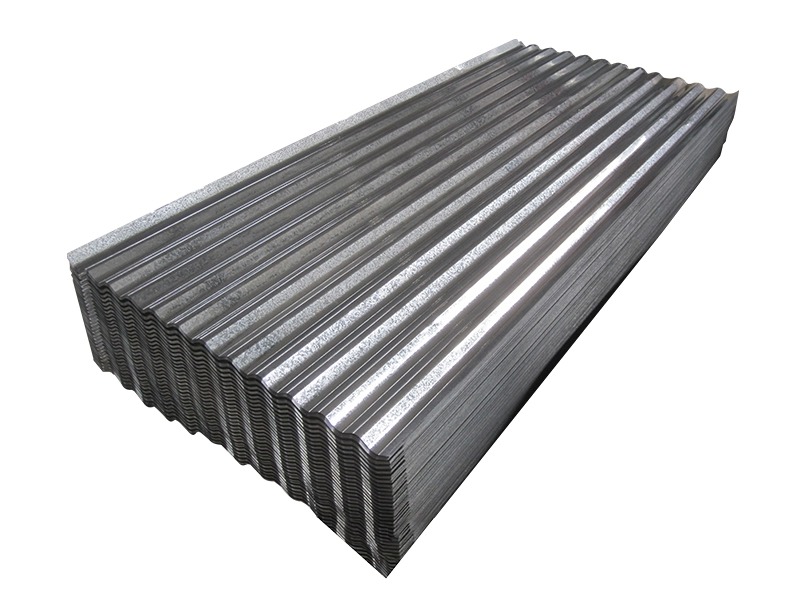
The "corrugation"—those repetitive ridges and grooves—isn't just for looks. It adds structural rigidity to thin metal sheets. A Deep profile design allows the metal to span longer distances between supports without sagging. This makes it an incredibly efficient choice for large-scale buildings where strength-to-weight ratios matter.
Low Maintenance Requirements and Long-Term Savings
If you hate the idea of painting your house every five years, Corrugated Metal Siding is your best friend. It requires significantly less upkeep than almost any other siding material on the market.
Surface Protection Technology
Modern Pre-painted metal panels use high-performance coatings like PVDF (Kynar 500). These finishes resist fading, chalking, and peeling even in harsh sunlight. Usually, a simple wash with a garden hose once or twice a year is all it takes to keep the siding looking brand new.
Cost-Efficiency Over Time
While the initial installation might cost more than basic vinyl, the total cost of ownership is much lower. You save money on:
Repairs: Metal rarely dents or punctures under normal conditions.
Replacement: You won't need to replace it for a lifetime.
Insurance: Some providers offer discounts for fire-resistant metal exteriors (Verification Needed).
Aesthetic Versatility: From Industrial to Modern Residential
One of the most surprising pros is how well Corrugated Metal Siding fits into different architectural styles. It is no longer just "the silver wavy stuff."
Color and Texture Options
You can find Pre-painted panels in virtually any color imaginable, from matte black to earthy terracottas. If you prefer a more industrial or rustic look, Galvanized steel offers a classic metallic sheen that develops a beautiful patina over time.
Creative Applications
Architects often use metal siding as an accent material. Pairing a Deep profile metal section with natural wood or stone creates a stunning visual contrast. In modern residential design, vertical installation can make a building appear taller and more streamlined, while horizontal layouts offer a grounded, traditional feel.
The Downsides: Addressing the Noise and Denting Concerns
No material is perfect. To give you the full picture, we must discuss the "cons" of Corrugated Metal Siding. The most common complaint involves noise—the "drumming" sound during rain or hailstorms.
Managing the "Rain Noise"
If installed directly onto studs without proper backing, metal panels can be loud. However, this is largely a problem of poor installation rather than a flaw in the material itself. Using solid sheathing and high-quality underlayment acts as a sound dampener.
Potential for Dents
While steel is tough, it isn't invincible. Large hailstones or a stray baseball can leave dents. Aluminum siding is softer than steel and more prone to this issue. To mitigate this, experts suggest using a thicker gauge (lower number) or a Deep profile that hides minor imperfections better than flat panels.
Thermal Performance and the "Insulated" Solution
A major concern with metal is that it is a conductor. It gets hot in the summer and cold in the winter. Without a strategic approach, this can lead to higher energy bills.
The Problem of Thermal Bridging
Metal siding can transfer heat into your wall assembly. If you live in an extreme climate, this is a significant "con." It can make your HVAC system work overtime.
Why You Should Consider Insulated Panels
To solve the energy efficiency problem, many manufacturers now offer Insulated Corrugated Metal Siding. These panels feature a foam core sandwiched between metal layers.
R-Value Improvement: They provide a thermal break that keeps interior temperatures stable.
Rigidity: The foam core makes the panels even stronger and more resistant to denting.
Noise Reduction: The insulation naturally absorbs vibrations, solving the noise complaint mentioned earlier.
Installation Complexity and Professional Requirements
Unlike some DIY-friendly projects, installing Corrugated Metal Siding correctly is a specialized skill. This adds to the "cons" list in terms of upfront labor costs.
Specialized Tools and Skills
Cutting metal requires specific shears or nibblers—using a standard circular saw can damage the Pre-painted coating and lead to edge rust. Furthermore, the fasteners must be installed with precision.
The Importance of Fastener Management
Most corrugated systems use exposed fasteners with rubber washers. If they are over-tightened, the washer cracks; if they are under-tightened, the wall leaks. Over many years, these washers may need inspection or replacement to ensure the building stays watertight.
Corrosion and Material Choice: Galvanized vs. Aluminum
Rust is the enemy of metal. Understanding how different materials handle moisture is crucial for the longevity of your Corrugated Metal Siding.
Galvanized Steel vs. Galvalume
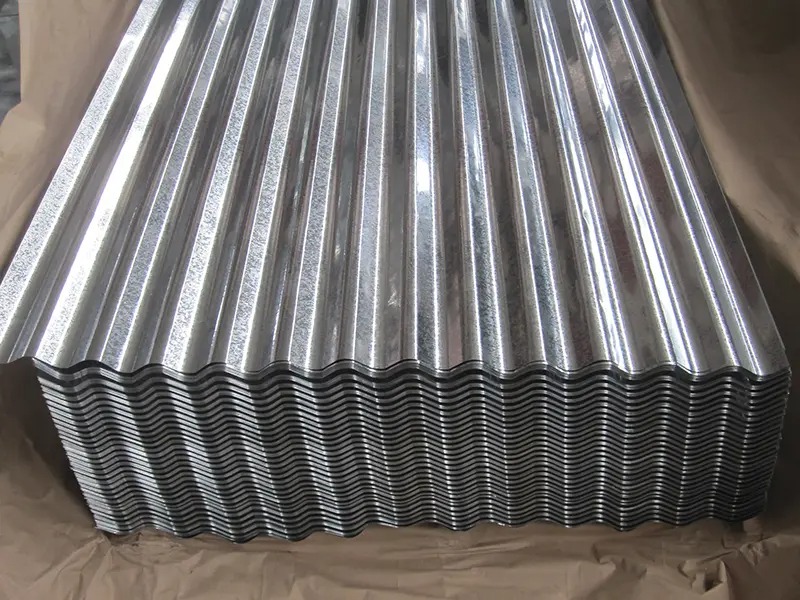
Galvanized steel uses a zinc coating to protect the base metal. While effective, "Galvalume" (a mix of zinc and aluminum) is often preferred for siding because it offers superior long-term corrosion resistance, especially in salty coastal air.
The Aluminum Advantage
If you live right on the ocean, Aluminum is often the superior choice. It does not rust in the traditional sense. Even if the paint is scratched, the exposed aluminum forms a protective oxide layer. It is lighter and easier to handle during installation, though it carries a higher price tag than steel.
Summary of Pros and Cons
To help you visualize the trade-offs, we have summarized the key points in the table below.
| Feature | Pros of Corrugated Metal Siding | Cons of Corrugated Metal Siding |
| Durability | Lasts 50+ years; fire and pest resistant. | Can dent under heavy impact. |
| Cost | Low lifetime cost; minimal maintenance. | Higher upfront material and labor costs. |
| Aesthetics | Unique Deep profile; many Pre-painted colors. | Can look too "industrial" for some neighborhoods. |
| Performance | Great for water shedding; lightweight. | Needs insulation to prevent thermal bridging. |
| Installation | Fast coverage for large areas. | Requires specialized contractors and tools. |
Conclusion
Corrugated Metal Siding is a powerhouse material that offers undeniable benefits for modern residential and commercial builds. Its longevity, fire resistance, and low maintenance make it a top-tier choice for those looking for a "set it and forget it" exterior. While the potential for noise and the need for professional installation are valid concerns, these are easily managed with modern Insulated options and proper techniques.
If you value a building that stays strong against the elements while maintaining a sharp, contemporary look, metal is hard to beat. Just ensure you select the right material—be it Galvanized steel or Aluminum—to match your specific climate and budget.
FAQ
Q: Is corrugated metal siding expensive?
A: The material itself is mid-range. It is more expensive than vinyl but often cheaper than high-end brick or natural stone. The long-term savings on maintenance usually make it more affordable over time.
Q: Can I use corrugated metal for interior walls?
A: Absolutely. It is very popular in modern residential interiors for accent walls, kitchen islands, or ceiling panels.
Q: Does it interfere with Wi-Fi or cell service?
A: In most cases, no. While a giant metal box can affect signals, standard residential siding rarely causes noticeable issues because signals enter through windows and doors.
Q: How do I prevent rust at the cut edges?
A: Use "cool-cut" tools like snips rather than high-heat saws, and apply a touch-up paint or sealant to any exposed edges during installation.
About Our Expertise and B2B Strength
As a leading manufacturer in the steel and metal industry, we operate a massive, specialized factory dedicated to producing high-performance building materials. We don't just supply products; we provide engineered solutions. Our strength lies in our deep integration with B2B markets, where we support large-scale construction projects with high-volume orders and custom specifications. We understand the rigorous demands of the global market, ensuring our Corrugated Metal Siding meets international quality benchmarks. Whether you are a distributor, a developer, or a construction firm, we offer the reliability of a direct-factory partner. We pride ourselves on our technical precision, from our advanced Pre-painted lines to our heavy-duty Galvanized processing. When you work with us, you are accessing decades of industrial expertise and a supply chain built for speed and durability.