Introduction
Choosing the right material for exhaust systems is crucial for durability. Stainless steel is a top choice for exhaust pipes, known for corrosion resistance and heat tolerance.
This article compares 304 and 316 stainless steel for exhaust applications. You'll learn about their performance, corrosion resistance, and cost.
At sukalp, we provide high-quality stainless steel products for reliable exhaust systems.
Key Differences Between 304 and 316 Stainless Steel for Exhaust
Composition of 304 and 316 Stainless Steel
304 and 316 stainless steels share many similarities, including a high level of chromium (18%) and nickel (8%) in their composition. The major difference between the two is that 316 includes 2-3% molybdenum, which enhances its corrosion resistance, particularly in chloride-rich environments. This makes 316 stainless steel better suited for more aggressive conditions, such as marine environments and exposure to chemicals.
For applications where longevity and corrosion resistance are paramount, 316 stainless steel would be the better choice. However, 304 remains a cost-effective solution for exhaust systems exposed to less aggressive environments.
Corrosion Resistance: 304 vs 316
Corrosion resistance is one of the most important factors when choosing a material for exhaust systems. 304 stainless steel is highly resistant to rust, but its performance may degrade in environments where exposure to chlorides or chemicals is high. This is where 316 stainless steel shines, as the addition of molybdenum makes it far superior in resisting corrosion, particularly in saltwater or industrial applications.
In exhaust systems, the location and environmental exposure play a significant role in material selection. If the exhaust system will be exposed to saltwater, high humidity, or chemicals, 316 stainless steel is the clear winner for long-term durability.
Temperature Tolerance: Which Is Better for Exhaust Systems?
Both 304 and 316 stainless steels perform well in high-temperature environments. However, 316’s molybdenum content gives it an advantage in maintaining its strength and resisting corrosion at higher temperatures. While 304 stainless steel can handle temperatures up to around 870°C, 316 can endure higher temperatures without losing its strength, making it a better choice for systems with extreme heat cycles.
For exhaust systems in cars, marine vessels, or industrial applications that experience extreme heat, 316 stainless steel offers better reliability over time.
Cost Comparison: Is 316 Worth the Price for Exhaust?
The cost of 316 stainless steel is typically higher than 304 due to its additional alloying elements. While 304 stainless steel is a more affordable choice for many applications, the superior performance of 316 in corrosive environments justifies its higher cost in certain cases. When choosing between 304 and 316, consider not only the initial cost but also the expected lifespan of the material and the associated maintenance costs.
For example, while 304 is a great option for automotive exhaust systems that do not face harsh environmental exposure, 316 may be the better choice for systems located in coastal areas or industrial settings with high exposure to chemicals and saltwater.
Property | 304 Stainless Steel | 316 Stainless Steel |
Composition | 18% Cr, 8% Ni | 16% Cr, 10% Ni, 2-3% Mo |
Corrosion Resistance | Good, but susceptible to chloride corrosion | Excellent, highly resistant to chloride and chemical corrosion |
Temperature Resistance | Up to 870°C intermittently | Up to 870°C, superior for prolonged exposure |
Cost | More cost-effective | Higher cost due to molybdenum content |
Common Applications | Automotive exhausts, kitchen appliances | Marine exhausts, high-performance automotive exhausts, chemical processing |
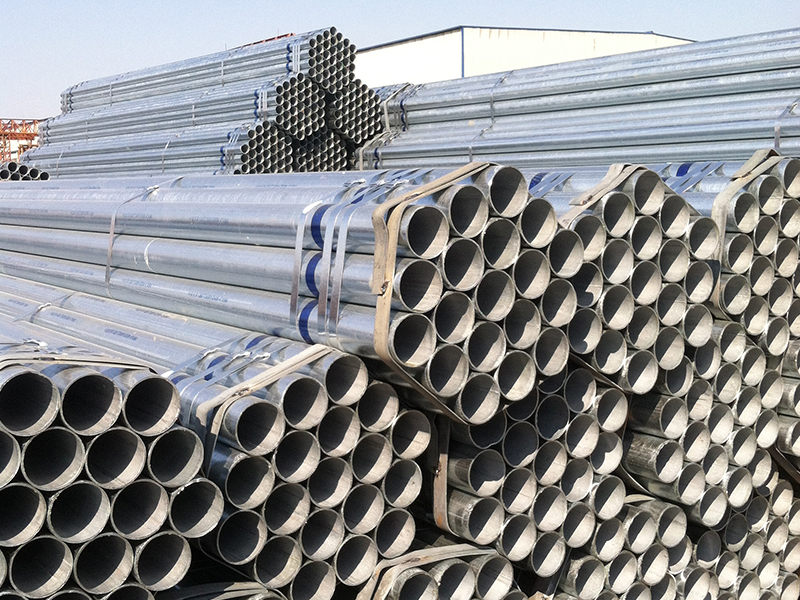
Corrosion Resistance and Durability for Exhaust Systems
Role of Molybdenum in 316 Stainless Steel
Molybdenum plays a vital role in enhancing the corrosion resistance of 316 stainless steel. This element makes 316 much more effective in resisting pitting and crevice corrosion, which are common issues in environments where chloride exposure is high, such as in marine exhaust systems or chemical plants.
In these settings, the addition of molybdenum ensures that the material remains strong and durable over time, even when exposed to aggressive chemicals or saltwater. As a result, 316 is ideal for exhaust systems that operate in these extreme environments.
Effectiveness in High Humidity and Salt Exposure
When exhaust systems are exposed to saltwater or high humidity, corrosion becomes a significant concern. In these conditions, 316 stainless steel’s superior resistance to chloride-induced corrosion makes it the ideal choice for long-lasting performance. For coastal regions or areas that use de-icing salts during the winter, 316 ensures that your exhaust system remains durable, requiring less maintenance over time.
Long-Term Maintenance and Longevity
Due to its enhanced corrosion resistance, 316 stainless steel requires significantly less maintenance than 304 stainless steel in environments where exposure to chemicals, salt, or high humidity is common. In the long run, choosing 316 stainless steel for your exhaust system can save you money by reducing the need for frequent repairs or replacements.
Environment | 304 Stainless Steel Performance | 316 Stainless Steel Performance |
Coastal/Marine | Prone to pitting and crevice corrosion | Excellent, ideal for saltwater exposure |
Industrial/chemical environments | Susceptible to corrosion in harsh chemicals | Highly resistant to corrosion, suitable for chemical plants |
High-humidity areas | Good, but may degrade over time | Superior, highly resistant to high humidity |
Freshwater systems | Good resistance, performs well in most freshwater systems | Excellent, better resistance to corrosion than 304 |
Performance Under Extreme Temperatures in Exhaust Systems
How 304 Stainless Steel Handles High Temperatures
304 stainless steel is commonly used in automotive exhaust systems and performs well at high temperatures, handling intermittent heat of up to 870°C. While it is an excellent choice for many applications, its performance can be compromised in extremely high-temperature or chemically aggressive environments.
For typical automotive exhaust systems, 304 stainless steel provides a good balance between cost and performance. However, for systems that experience prolonged high temperatures or exposure to harsh chemicals, it may not be the best choice.
316 Stainless Steel: Ideal for Harsh Thermal Conditions
316 stainless steel is ideal for exhaust systems in marine applications, high-performance vehicles, or industrial settings, where it is exposed to high temperatures for extended periods. The molybdenum in 316 enhances its resistance to high-temperature corrosion, making it suitable for demanding conditions.
For systems where high thermal resistance is required, 316 stainless steel provides a reliable solution, maintaining its integrity under extreme heat cycles without degrading over time.
Comparing Heat Resistance in Real-World Exhaust Applications
In real-world applications, 304 stainless steel performs well for most automotive and industrial exhaust systems. However, when exposed to harsher conditions, such as marine environments or chemical plants, 316 stainless steel is the superior option due to its enhanced ability to withstand high temperatures and corrosion.
Grade | Maximum Temperature (Intermittent) | Maximum Temperature (Continuous) | Ideal Applications |
304 Stainless Steel | 870°C | 925°C | Automotive exhaust systems, general industrial piping |
316 Stainless Steel | 870°C | 925°C (Superior performance) | Marine exhaust systems, chemical plants, high-performance vehicles |
How 304 Stainless Steel Performs in Exhaust Systems
Strength and Durability of 304 in Automotive Exhausts
304 stainless steel is commonly used in automotive exhaust systems due to its reasonable cost and excellent strength-to-weight ratio. It’s ideal for general-purpose exhaust systems in vehicles where high performance and corrosion resistance are not a primary concern.
However, in areas exposed to saltwater or chemicals, 304 may start to degrade over time, leading to higher maintenance costs and a shorter lifespan. This is why 304 is often favored in less demanding applications, such as in passenger vehicles operating in mild climates.
Cost-Effectiveness and Availability of 304 Stainless Steel
304 stainless steel is widely available and more cost-effective compared to 316. It provides a good balance of performance and affordability, making it a popular choice for exhaust systems that don’t require the high level of corrosion resistance provided by 316.
If you're looking for a budget-friendly option for your exhaust system and your environment isn’t extremely corrosive, 304 stainless steel offers an excellent value.
Best Applications for 304 Stainless Steel in Exhaust
304 stainless steel is ideal for exhaust systems in environments that do not have excessive exposure to saltwater or chemicals. It’s often used in automotive exhausts, plumbing, and general construction where corrosion resistance is not the highest priority.
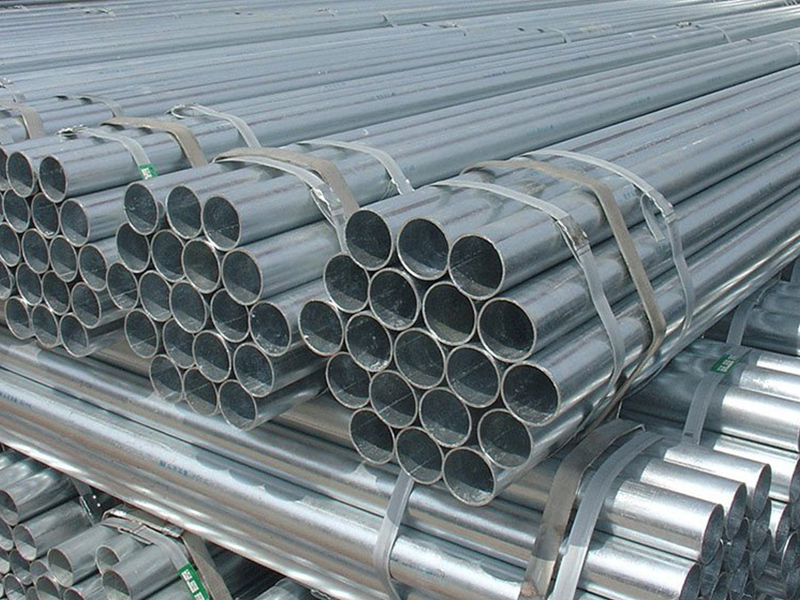
Why Choose 316 Stainless Steel for Exhaust Systems
Superior Corrosion Resistance in Aggressive Environments
316 stainless steel excels in environments with high levels of chloride, such as marine exhaust systems or offshore rigs. Its resistance to corrosion in these environments makes it the ideal choice for long-lasting exhaust systems in harsh conditions.
High-Performance Exhausts and 316 Stainless Steel
For high-performance applications, such as those in racing cars or industrial exhaust systems, 316 stainless steel is often the material of choice due to its superior resistance to heat, corrosion, and wear. When reliability is crucial, 316 ensures long-term performance, even in the most demanding conditions.
When Should You Choose 316 Over 304 for Exhaust Systems?
316 stainless steel should be chosen for exhaust systems that operate in harsh environments, including marine applications or those exposed to high levels of chemicals or salt. It’s also ideal for high-performance exhaust systems where durability and longevity are critical.
Practical Applications of 304 and 316 Stainless Steel in Exhaust Systems
304 Stainless Steel in Automotive Exhaust Systems
304 stainless steel is commonly used in automotive exhaust systems due to its balance of strength, cost-effectiveness, and corrosion resistance. It works well for general-purpose systems that are not exposed to aggressive chemicals or salt.
316 Stainless Steel for Marine Exhaust Applications
Marine exhaust systems often operate in saltwater environments, where 316 stainless steel’s superior resistance to corrosion makes it the best choice. It ensures long-lasting durability and minimal maintenance in these challenging conditions.
Industrial Exhaust Systems: Choosing the Right Stainless Steel
For industrial applications exposed to harsh chemicals or high temperatures, 316 stainless steel provides the durability and resistance needed to maintain performance over time. It is ideal for environments where both heat and corrosion resistance are required.
Maintenance Considerations for Exhaust Systems: 304 vs 316 Stainless Steel
How to Maintain 304 Stainless Steel Exhaust Systems
304 stainless steel requires regular cleaning and maintenance to prevent corrosion in environments where exposure to moisture and chemicals is low. Simple cleaning methods can help extend its lifespan.
Maintenance Best Practices for 316 Stainless Steel Exhaust Systems
316 stainless steel is easier to maintain than 304 in harsh environments. Regular inspection and cleaning with non-abrasive methods can ensure that your exhaust system stays functional and durable over time.
Conclusion
Choosing between 304 and 316 stainless steel depends on your environment and budget. 304 is ideal for automotive exhausts in mild conditions, while 316 excels in marine or industrial applications. Both grades offer durability, but understanding their differences ensures the best choice for your system. At sukalp, we offer high-quality stainless steel products designed to provide long-lasting performance for exhaust systems.
FAQ
Q: What is the difference between 304 and 316 stainless steel for exhaust systems?
A: 304 stainless steel is more affordable and suitable for mild conditions, while 316 offers better corrosion resistance, especially in marine or industrial environments due to its molybdenum content.
Q: Why should I choose 316 stainless steel over 304 for my exhaust system?
A: 316 stainless steel is more durable in corrosive environments like coastal areas or chemical plants, making it ideal for long-lasting performance in harsh conditions.
Q: Is 304 stainless steel sufficient for automotive exhaust systems?
A: Yes, 304 stainless steel is commonly used in automotive exhaust systems as it offers good corrosion resistance and strength for general use in mild conditions.
Q: What are the cost differences between 304 and 316 stainless steel?
A: 316 stainless steel is more expensive than 304 due to its enhanced corrosion resistance and higher alloy content, but it offers better longevity in harsh environments.