Have you ever wondered what makes a hot rolled coil so essential in the construction and automotive industries? This versatile material plays a crucial role in many sectors due to its durability and cost-effectiveness.
In this article, we will discuss what a hot rolled coil (HRC) is and explore its manufacturing process. You will learn about its key characteristics, applications, benefits, and some challenges it presents in industrial use. By the end of this article, you will have a clear understanding of how hot rolled coils are produced and their importance in various industries.
Key Takeaways
Hot rolled coils are steel products made by heating and rolling steel above its recrystallization temperature, making it easier to shape and form.
These coils are widely used in construction, automotive manufacturing, and industrial production due to their strength, versatility, and cost-effectiveness.
The hot rolling process involves three stages: heating, rolling, and cooling, which results in a material that is ideal for large-scale projects.
Hot rolled steel is often compared with cold rolled steel, where cold rolled steel is more precise but costlier, making hot rolled coils a better choice for applications where tight tolerances are not essential.
Despite their advantages, hot rolled coils can have surface quality issues and dimensional tolerances that are less precise than cold rolled steel, making them unsuitable for precision applications.
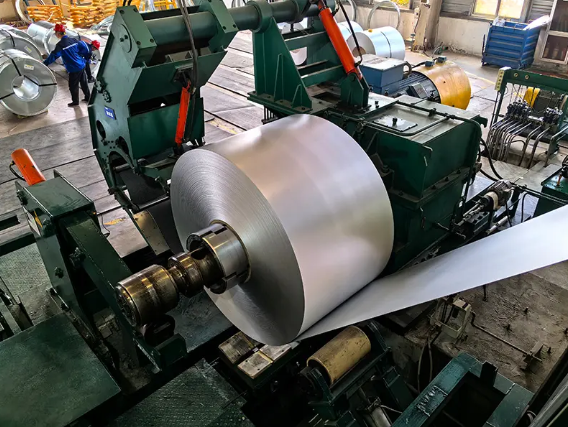
Understanding the Hot Rolling Process
Heating and Rolling
The production of hot rolled coils begins with heating the steel above its recrystallization temperature (typically around 1700˚F). This high temperature makes the steel malleable and allows it to be rolled into thin sheets or coils. As the steel passes through the rollers, it is reduced in thickness and stretched in length to meet the required specifications.
Cooling and Finishing
Once the steel is rolled to the desired thickness, it is cooled, usually through water sprays or on cooling beds. This cooling process is critical in determining the final mechanical properties of the steel, such as strength and ductility. After cooling, the steel is sometimes pickled (cleaned using acid solutions) to remove scale and improve its surface finish.
Quality Control
Quality control plays a vital role in ensuring that the hot rolled coils meet industry standards. Steel is tested for strength, surface quality, and dimensional accuracy. Regular checks are performed during each stage of the process to ensure that the coils are free from defects and meet the required specifications for various applications.
Key Characteristics of Hot Rolled Coils
Surface and Texture
Hot rolled steel typically has a rough, scaly surface due to the cooling process. This scale is a byproduct of the reaction between the steel and oxygen during cooling. While this surface can be removed through pickling or grinding, it is important to note that hot rolled steel may not have the smooth finish of cold rolled steel. The edges may also be slightly rounded due to the shrinkage that occurs during cooling.
Strength and Durability
Hot rolled coils are known for their strength and toughness. The process of heating the steel makes it easier to shape, and its cooling provides a balance of formability and durability. This makes it ideal for applications requiring robust structural components, such as I-beams, rails, and metal frames in construction projects.
Dimensional Tolerances
One key characteristic of hot rolled coils is their dimensional tolerance, which is typically less precise than cold rolled steel. Hot rolled coils are not manufactured to tight tolerances because the material shrinks unevenly during the cooling process. As such, they are more suitable for applications where precise dimensions are not critical.
Hot Rolled Coil vs. Cold Rolled Coil
Difference in Processes
The main difference between hot rolled and cold rolled steel lies in the processing temperature. Hot rolled steel is rolled at temperatures above the steel's recrystallization point, making it more malleable and easier to form. In contrast, cold rolled steel is processed at room temperature, leading to tighter dimensional tolerances and a smoother surface finish.
Performance and Application
Hot rolled coils are typically used in applications where strength and durability are more important than precision. Examples include construction materials, automotive frames, and railroad tracks. On the other hand, cold rolled coils, which have better surface finishes and dimensional accuracy, are preferred for applications requiring high precision, such as home appliances and metal furniture.
Cost Differences
One of the significant advantages of hot rolled coils is their cost-effectiveness. Since the process of producing hot rolled steel is quicker and requires less post-processing compared to cold rolled steel, it is generally less expensive. This makes it an excellent option for large-scale industrial projects where precision is not the primary concern.
| Property | Hot Rolled Coil | Cold Rolled Coil |
| Temperature | Rolled at temperatures above recrystallization | Rolled at room temperature |
| Surface Finish | Rough, may have scale and distortions | Smooth, uniform surface |
| Dimensional Tolerance | Lower precision and size control | Higher precision with tight tolerances |
| Strength | Strong, but less precise | Harder and stronger due to further processing |
| Applications | Construction, automotive, heavy industrial | Home appliances, precision equipment |
Applications of Hot Rolled Coils
Construction
Hot rolled coils are used extensively in construction for structural components like I-beams, columns, and rail tracks. Their strength and durability make them ideal for projects that require materials that can bear heavy loads and withstand harsh environmental conditions.
Automotive
In the automotive industry, hot rolled coils are used for producing chassis, suspension components, and wheel rims. The toughness and formability of the steel allow manufacturers to create robust parts that are both cost-effective and capable of withstanding the stresses of everyday driving.
Industrial Manufacturing
Hot rolled coils are also crucial in the industrial manufacturing sector. They are used to create machinery components, metal frames, and equipment parts. Their versatility and ease of fabrication make them a preferred choice for a wide range of machinery and equipment.
| Industry | Applications |
| Construction | I-beams, columns, rail tracks, metal frames |
| Automotive | Chassis, suspension components, wheel rims |
| Industrial Manufacturing | Machinery components, equipment frames, parts |
Benefits of Hot Rolled Coils
Cost-Effectiveness
Hot rolled coils offer significant cost savings compared to other types of steel. The production process is quicker and requires less energy and labor, which helps keep costs low. This makes hot rolled steel an attractive option for large-scale projects with budget constraints.
Strength and Versatility
Hot rolled steel is highly resilient, with excellent strength-to-weight ratios. Its versatility allows it to be used in a variety of applications, from heavy construction to automotive manufacturing. Whether it's forming beams for skyscrapers or parts for tractors, hot rolled steel provides reliable strength.
Ease of Fabrication
Hot rolled coils are easy to cut, weld, and form, making them a popular choice for industries that require materials that can be quickly processed into final products. This ease of fabrication contributes to the material’s cost-effectiveness and widespread use in manufacturing and construction.
| Benefit | Explanation |
| Cost-Effectiveness | Lower production costs due to simpler processing |
| Strength and Durability | Excellent mechanical properties for structural support |
| Versatility | Can be used in various applications, from heavy machinery to automotive |
| Ease of Fabrication | Easily welded, cut, and formed into different shapes |
Challenges and Limitations of Hot Rolled Coils
Surface Quality Issues
One of the common issues with hot rolled coils is the rough surface that results from the cooling process. Although this can be cleaned or smoothed out, the initial surface imperfections may limit the material’s use in aesthetic applications where appearance is critical.
Size and Tolerance Constraints
Because hot rolled coils are not as precisely dimensioned as cold rolled steel, they may not be suitable for applications that demand strict tolerances. Industries requiring highly precise components should consider alternative materials that can meet these needs.
Internal Stresses
Hot rolled steel can sometimes retain internal stresses after cooling, which may lead to minor distortions or warping. While this is typically not an issue for large-scale industrial applications, it may need to be addressed in more specialized uses.
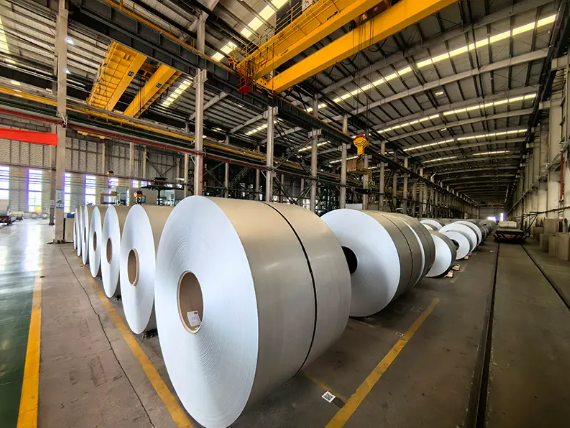
Market Trends and Pricing of Hot Rolled Coils
Global Market Trends
The demand for hot rolled coils is closely tied to global economic trends, particularly in the construction and automotive sectors. As these industries grow, so too does the demand for hot rolled steel, leading to fluctuations in both availability and price.
Factors Influencing Prices
Several factors affect the price of hot rolled coils, including:
Raw material costs: Prices of iron ore and coal impact production costs.
Supply and demand: Shifts in global demand for steel affect prices.
Transportation: Shipping costs can influence the final price of hot rolled coils.
Pricing Fluctuations
The price of hot rolled coils can vary depending on regional demand, supply chain dynamics, and the state of the global market. Emerging economies with booming construction industries may see a surge in demand, thus driving up prices.
Conclusion
Hot rolled coils are essential in the construction, automotive, and industrial sectors due to their cost-effectiveness, durability, and strength. They are vital in producing structural components and heavy-duty equipment, providing reliable support for various industries.
Looking ahead, the future of hot rolled steel is bright. As rolling technology and material science evolve, the strength and formability of hot rolled coils will continue to improve, making them more versatile and efficient for future industrial applications.
When selecting materials for large-scale projects, hot rolled coils offer an excellent combination of durability and cost-efficiency. As you evaluate your options, consider SUKALP for high-quality steel solutions that meet diverse industrial needs, ensuring you choose the most suitable material for your projects.
FAQ
Q: What is a Hot Rolled Coil?
A: A Hot Rolled Coil (HRC) is steel that is rolled at high temperatures above its recrystallization point, making it easier to shape and form. This process enhances the steel's strength and durability.
Q: How are Hot Rolled Coils produced?
A: Hot Rolled Coils are created by heating steel slabs above their recrystallization temperature, passing them through rollers to achieve the desired thickness, then cooling and coiling the steel for storage.
Q: What are the advantages of Hot Rolled Coils?
A: Hot Rolled Coils are cost-effective, durable, and versatile. They are ideal for large-scale projects, offering excellent strength and formability for structural components.
Q: How does Hot Rolled Coil compare to Cold Rolled Coil?
A: Unlike Hot Rolled Coils, Cold Rolled Coils are processed at room temperature, offering tighter dimensional tolerances and a smoother finish, but at a higher cost.