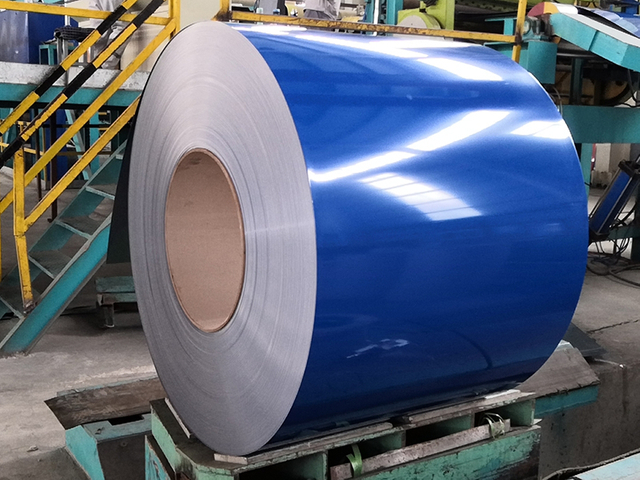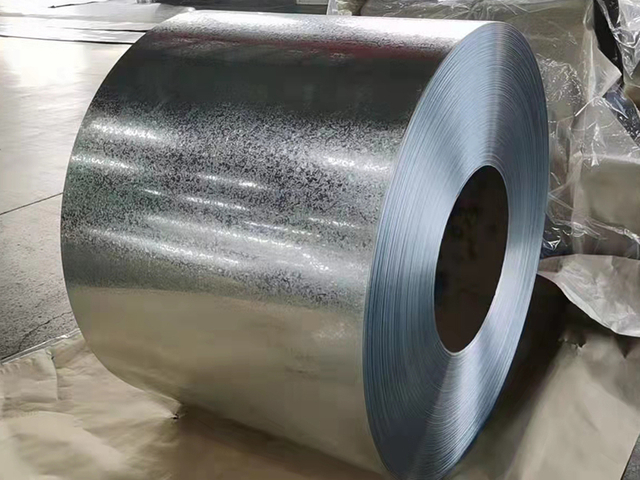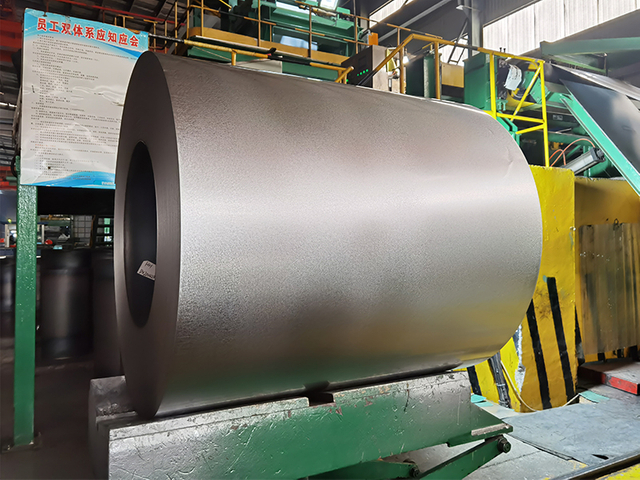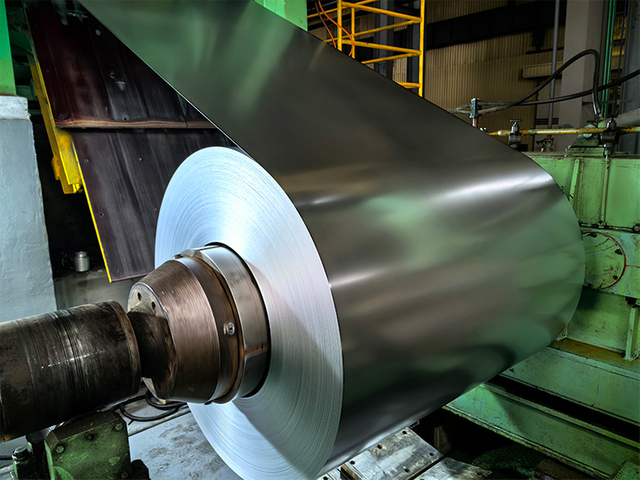
ZAM Steel Coil is a new generation of high-end alloy-coated steel, featuring a sophisticated coating composed of Zinc, Aluminum (typically 6-11%), and Magnesium (typically 3%). This precision-engineered material offers a level of durability that traditional galvanized steel simply cannot match.
Unrivaled Cut-Edge Protection: The standout feature is its "Self-Healing" ability; magnesium triggers a protective film that migrates over exposed edges.
Extreme Longevity: Provides 10 to 20 times the corrosion resistance of pure zinc coatings in salt-spray tests.
Cost-Effective Alternative: Often serves as a superior, more affordable replacement for stainless steel or aluminum in harsh environments.
Superior Hardness: The alloy coating is significantly harder than standard galvanized layers, resisting scratches during roll-forming and assembly.
| Availability: | |
|---|---|
| Quantity: | |
Imagine a steel surface that doesn't just resist rust but actively "heals" its own wounds. When you work with ZAM Steel Coil, you are utilizing a material that behaves like a living shield. Most coated steels fail at the edges—where the metal is cut or punched—leaving the core vulnerable to the elements. With ZAM, the magnesium in the coating reacts with the atmosphere to form a dense, stable protective film (simonkolleite) that gradually migrates over any exposed scratches or cut sections.
Visually, ZAM has a sophisticated, finely textured metallic finish that exudes quality. It feels smoother and denser than traditional galvanized steel, a physical reflection of its superior hardness. This isn't just a commodity; it’s the result of decades of metallurgical evolution. By integrating ZAM into your projects, you are moving away from the "replace and repair" cycle. You are choosing a material that stays pristine in the salt-heavy air of the coast, the ammonia-rich environment of a livestock facility, or the high-alkaline conditions of concrete contact. It provides the quiet confidence that your structures will remain structurally sound and visually professional for decades.
We strictly adhere to international manufacturing standards to ensure our ZAM Coils perform flawlessly in the most demanding structural applications.
Standard | ASTM A1046/A1046M Type 1,AS/NZS 1397 |
Steel grade | DX51D+ZAM, DX52D+ZAM, DX53D+ZAM, DX54D+ZAM, S220GD+ZAM, S250GD+ZAM, S280GD+ZAM, S320GD+ZAM, S350GD+ZAM, S550GD+ZAM |
Thickness | 0.35-3.3mm |
Width | 30-1550mm |
Coil ID | 508/610MM |
Coil Weight | 3-8 tons |
Coating | ZM30-600g/m2 |
Packing | Export standard packing |
The value of ZAM Steel Coil extends far beyond simple anti-rust properties. Its unique chemistry provides a suite of mechanical and chemical advantages.
Revolutionary "Self-Healing" Edges: The Magnesium-based corrosion product is highly stable and insoluble. This means that at cut edges or punched holes, the coating "bleeds" a protective layer to cover the exposed steel, preventing the rapid creep of red rust that plagues GI and GL.
High-Alkali Resistance: Unlike Galvalume (GL), which can degrade when in direct contact with wet concrete or mortar, ZAM thrives. Its chemical stability makes it the ideal choice for floor decking and concrete-integrated structures.
Extreme Hardness & Scratch Resistance: The Al-Mg-Zn alloy layer is roughly twice as hard as a pure zinc layer. This significantly reduces "powdering" or coating loss during heavy-duty roll forming or drawing, protecting the integrity of the coating throughout the manufacturing process.
Optimized Life-Cycle Cost: While the initial investment might be slightly higher than standard GI, the 30-50 year service life and the elimination of post-treatment (like painting or touch-ups on edges) offer a vastly superior Return on Investment (ROI).
In the world of coated steel, ZAM is the bridge between affordable carbon steel and expensive stainless steel.
Versus Galvanized (GI): In high-chlorine or high-ammonia environments, ZAM lasts 10-20 times longer. It eliminates the need for thick, expensive zinc layers because the magnesium alloy is far more efficient at blocking oxidation.
Versus Galvalume (GL): While Galvalume is excellent for heat reflectivity, ZAM offers vastly superior protection at cut edges and is much more stable in alkaline (basic) environments where Galvalume would suffer from rapid corrosion.
Versus Stainless Steel: ZAM provides similar levels of corrosion resistance in many atmospheric conditions at a fraction of the cost, making it a powerful tool for budget-conscious engineering without sacrificing safety.
ZAM is engineered for environments where failure is not an option and maintenance is difficult or costly.
Solar Mounting Systems: The gold standard for PV brackets. It withstands decades of outdoor exposure and the mechanical stresses of installation without needing protective paint.
Livestock & Agriculture: Specifically resistant to the harsh ammonia and moisture found in chicken houses and pig barns, where standard galvanized products fail within years.
High-End Infrastructure: Ideal for highway guardrails, coastal bridges, and sound barriers where the self-healing of cut edges is vital for long-term safety.
HVAC & Appliances: Perfect for outdoor air conditioning units and industrial cooling towers that are constantly exposed to water and varying temperatures.
Does ZAM steel require special welding techniques?
ZAM can be welded using standard methods (MIG, TIG, Spot welding). While the coating is durable, we recommend using appropriate zinc-rich primers on weld zones for maximum protection, though the self-healing properties of the surrounding area provide a significant safety buffer.
Can ZAM replace stainless steel?
In many atmospheric and structural applications, yes. ZAM provides excellent protection for a much lower cost. However, for food-grade contact or specific acid-immersion scenarios, stainless steel may still be required.
How does ZAM perform in coastal areas?
ZAM is specifically designed for coastal (high-salt) environments. Its magnesium-aluminum-zinc complex is far more stable against chloride ions than traditional galvanized coatings.
What is the typical coating weight for solar brackets?
For most solar projects, ZM275 or ZM300 is the standard, providing a balance of high-level protection and cost-efficiency for a 25-year lifespan.