Understanding the weight of steel coils is essential for industries like construction, manufacturing, and shipping. Have you ever wondered how the weight of a steel coil impacts transportation costs or safety? Whether you’re handling stainless steel coils or carbon steel, the weight of these materials can influence many aspects of your project. In this article, we will explore the factors that affect the weight of steel coils, including material type, dimensions, and coating. You’ll also learn how to calculate steel coil weight accurately and why it’s important for logistics and cost management.
Key Takeaways
The weight of a steel coil depends on several factors, including material type, thickness, width, length, and density.
Stainless steel coils are typically heavier than carbon steel coils due to their higher density.
Accurate weight calculations are essential for logistics, shipping cost estimation, and proper handling to avoid accidents.
Steel coil weight is a critical component of pricing, influencing both material costs and transportation expenses.
Reducing coil weight can be achieved by using thinner steel, alternative materials like aluminum, or optimizing coil design.
Factors Affecting the Weight of Steel Coils
Material Type
The type of material used in steel coils plays a major role in determining their weight. Different metals have varying densities, which affect their mass even when dimensions are similar.
Stainless Steel Coil: Stainless steel is denser than many other types of steel, with a typical density of about 8.0 g/cm³. This makes stainless steel coils heavier than their carbon steel counterparts for the same size. Because of its strength and corrosion resistance, stainless steel is used in industries like aerospace, automotive, and food processing, where durability is key.
Carbon Steel Coil: Carbon steel, a commonly used material in industries such as construction and automotive, has a density of around 7.85 g/cm³. While slightly lighter than stainless steel, it is still considered heavy compared to materials like aluminum. Carbon steel coils are used in structural applications, including beams and columns.
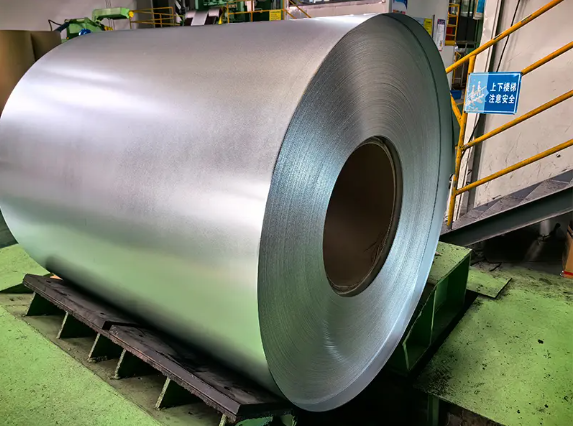
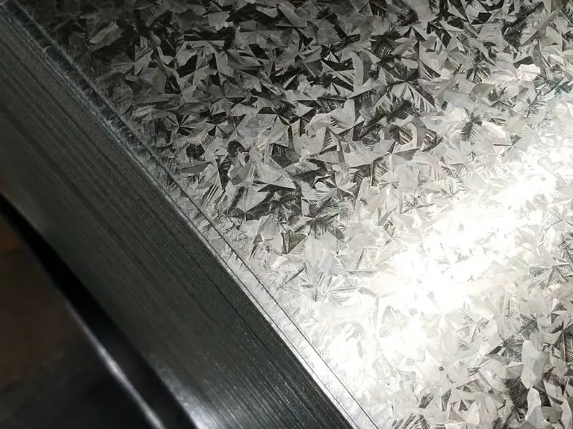
Galvanized Steel Coil: Galvanized steel coils are coated with zinc to protect against rust. This additional coating increases the weight of the coil. Galvanized steel coils are commonly used in outdoor applications where corrosion resistance is critical, such as roofing and fencing.
Thickness and Width
The thickness and width of a steel coil directly affect its weight. Thicker coils contain more material and thus weigh more.
| Coil Type | Thickness (mm) | Weight per Meter (kg) | Total Weight (kg) for 500m Length |
| Stainless Steel Coil | 3 | 12.0 | 6,000 |
| Carbon Steel Coil | 3 | 10.0 | 5,000 |
| Galvanized Steel Coil | 3 | 11.5 | 5,750 |
Thickness: The thicker the steel coil, the more material it contains, which leads to an increase in its weight. For instance, a 3mm thick steel coil will weigh significantly more than a 1mm thick coil of the same material and dimensions.
Width: A wider coil also increases its weight. A steel coil that's 1200mm wide will weigh more than a 600mm wide coil, even if the thickness and length are the same.
When ordering coils, specify the exact thickness and width needed to ensure you get the correct weight for your application.
Coil Length
The length of a steel coil is another key factor influencing its overall weight. Longer coils have more material, thus increasing their weight. However, the impact of length on weight is proportional to both the width and thickness.
| Coil Dimensions (mm) | Weight Formula Used | Resulting Weight (kg) |
| Length: 500m | Thickness × Width × Length × Density | 6,000 kg |
| Length: 800m | Thickness × Width × Length × Density | 9,600 kg |
| Length: 1,000m | Thickness × Width × Length × Density | 12,000 kg |
Use accurate measurements for all dimensions to avoid discrepancies in your weight calculations, which could affect shipping and storage costs.
Density of Materials
The density of the material plays a critical role in determining the weight of the coil. Different types of steel have different densities, which must be factored in when calculating its weight.
| Steel Type | Density (g/cm³) |
| Carbon Steel | 7.85 |
| Stainless Steel | 8.0 |
| Galvanized Steel | 7.90 |
Note: The density must be matched to the dimensions of the coil when calculating its weight.
How to Calculate the Weight of a Steel Coil
Formula for Calculation
The weight of a steel coil can be calculated using the following formula: Weight (kg) = Thickness (mm) × Width (mm) × Length (m) × Density (g/cm³) / 1,000
Example: For a stainless steel coil that is:
Thickness = 3mm
Width = 1200mm
Length = 500 meters
Density = 8.0 g/cm³
The calculation would be: Weight = 3 × 1200 × 500 × 8.0 / 1,000 = 14,400 kg (or 14.4 tons)
This formula helps you estimate the weight based on the coil’s dimensions and material type.
Using Online Calculators
There are several online tools and calculators that simplify this process. These tools allow you to input the coil's dimensions and material type to get an instant weight estimate. While these calculators are convenient, always double-check the results, especially when handling large quantities.
Online calculators can save time and reduce errors, but ensure the formula used is aligned with your steel coil specifications.
Common Mistakes When Estimating Weight
Estimating the weight of steel coils can be tricky. Here are some common mistakes to avoid:
Ignoring Density Differences: Different steels have different densities. Always use the correct value for the type of steel you’re working with.
Mixing Units: Ensure all measurements (thickness, width, length) are in consistent units (millimeters for thickness and width, meters for length).
Assuming Uniform Thickness: Steel coils may have slight variations in thickness, which can affect the weight calculation.
Always confirm the coil specifications with your supplier to ensure accurate weight estimation.
Why Steel Coil Weight Matters
Shipping and Transportation
The weight of steel coils is a significant factor in shipping costs. Heavier coils cost more to transport because they take up more space and require more robust equipment to handle.
| Shipping Mode | Cost per Ton (USD) | Weight Range (Tons) | Total Cost (USD) |
| Sea Freight | 100 | 10–20 | 1,000–2,000 |
| Air Freight (Urgent) | 500 | 5–10 | 2,500–5,000 |
| Truck Freight | 150 | 10–30 | 1,500–4,500 |
Shipping Costs: Heavier steel coils increase transportation expenses. For instance, shipping a 20-ton coil by sea may cost significantly more than a smaller 10-ton coil due to higher fuel consumption and equipment costs.
Logistics Planning: Knowing the weight helps in planning how to load and transport coils. Overweight loads can lead to fines or delays in transit.
Always check the weight capacity of transport equipment before arranging shipments to avoid delays and cost overruns.
Storage and Handling
Proper storage and handling of steel coils are essential to avoid accidents and damage. Heavy steel coils require strong, reliable storage racks and handling equipment.
Handling Equipment: Cranes, forklifts, and coil lifters must be rated for the weight of the coil being moved. A 10-ton forklift can’t lift a 20-ton coil safely.
Storage Considerations: Heavy coils should be stored in dry, stable environments to prevent rust and damage. Overloading storage racks can lead to accidents or equipment failure.
Ensure your warehouse is equipped with the appropriate tools to handle heavy coils, and train staff to handle them safely.
Pricing and Cost Calculation
Weight plays a key role in determining the price of steel coils. Prices are typically quoted per ton, so heavier coils generally cost more.
Material Type: Stainless steel coils are heavier and more expensive than carbon steel coils, due to the higher material density and manufacturing costs.
Thickness and Coating: Thicker coils and coils with coatings (like galvanized steel) are heavier and therefore more expensive.
When budgeting for steel coils, factor in both material cost and weight to get an accurate cost estimate.
How to Reduce Steel Coil Weight (and Costs)
Using Thinner Steel
One of the most effective ways to reduce the weight of a steel coil is to use thinner steel. While thinner steel may not be suitable for all applications, it can significantly reduce both weight and cost for lighter-duty projects.
Work with engineers to determine the minimum thickness required for your application to optimize both strength and weight.
Alternative Materials
In some cases, using lighter materials like aluminum coils instead of steel coils can reduce weight. While aluminum is not as strong as steel, it may be appropriate for non-load-bearing applications.
Consider alternative materials for projects where weight reduction is a priority.
Custom Coil Design
Coil design plays a crucial role in reducing weight without sacrificing strength. Working with engineers to design coils with optimized dimensions or material layouts can lead to lighter, more cost-effective solutions.
Consult with a professional to design coils that minimize material use while still meeting strength requirements.
Conclusion
Understanding how much a steel coil weighs is essential for accurate planning in shipping, pricing, and handling. By considering material type, dimensions, and density, businesses can make informed decisions that save both time and money. Whether it's optimizing logistics, calculating project costs, or ensuring safe handling, knowing steel coil weight is crucial for success.
SUKALP offers high-quality steel products, including galvanized steel coils, designed to meet your specific project needs. With their precision manufacturing and reliable service, SUKALP ensures that you can streamline your operations and avoid costly mistakes in your steel coil purchases.
FAQ
Q: What factors affect the weight of a steel coil?
A: The weight of a steel coil depends on material type, thickness, width, length, and density. Stainless steel coils are generally heavier due to their higher density compared to carbon steel coils.
Q: How do I calculate the weight of a stainless steel coil?
A: Use the formula: Weight = Thickness × Width × Length × Density. For stainless steel coils, the typical density is 8.0 g/cm³.
Q: Why is the weight of a steel coil important?
A: Knowing the weight of a steel coil is crucial for logistics, shipping, and cost calculations. It ensures safe handling and helps avoid overloading transport equipment.
Q: Are stainless steel coils heavier than carbon steel coils?
A: Yes, stainless steel coils are denser than carbon steel coils, making them heavier for the same dimensions.
Q: How does coil length influence weight?
A: The longer the coil, the more material it contains, increasing its weight. For accurate calculations, ensure you measure the full length.