When you step onto a construction site or browse a hardware catalog, you often see the terms galvanized and corrugated used together. It is easy to get confused and think they are the same thing. However, comparing them is like comparing the ingredients of a cake to its shape. One refers to a chemical protection process, while the other refers to a physical structural design.
Understanding this distinction is vital for anyone planning a metal roofing project or installing industrial siding. Choosing the wrong specification could lead to premature rust or structural failure under heavy loads. This guide breaks down exactly how these two concepts differ and how they work together to create the high-quality corrugated sheet products used worldwide.
Defining the Core Concepts: Material vs. Shape
To understand the difference, we must first separate the "what" from the "how." A galvanized sheet refers to a specific type of steel treatment. This steel has undergone a chemical process where it is dipped into a molten zinc bath. This creates a protective coating that prevents oxygen and moisture from reaching the iron, effectively stopping rust.
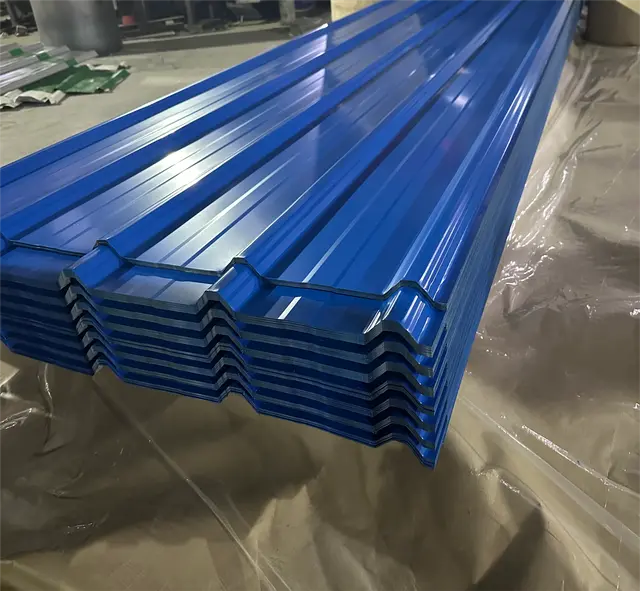
On the other hand, a corrugated sheet refers to the physical geometry of the metal. It features a repeating pattern of ridges and grooves, usually in a "sine wave" or "U-shape." This shape is achieved through a process called cold-rolling. By folding the metal, manufacturers significantly increase its strength without adding extra weight.
Most modern construction materials combine both. You will frequently find a Galvanized corrugated sheet that offers the chemical protection of zinc and the structural integrity of the wavy shape. While "galvanized" tells you about the surface chemistry, "corrugated" tells you about the physical performance and appearance.
Chemical Composition: How Galvanization Protects the Steel
The magic of a Galvanized coating lies in its sacrificial nature. Even if the surface of your corrugated sheet gets scratched during installation, the surrounding zinc will corrode first to protect the underlying steel. This is a critical feature for metal roofing exposed to harsh rain and humidity.
Manufacturers typically measure this protection by the weight of the zinc coating (such as G60 or G90). A higher number means a thicker layer of protection. When you buy a corrugated sheet for a coastal environment, you need that thick zinc barrier to fight salt-air corrosion. Without this chemical treatment, a standard steel sheet would turn to orange dust within a few years of outdoor exposure.
We often see buyers confuse this with Pre painted finishes. While a Pre painted corrugated sheet also offers protection, it usually sits on top of a galvanized base. The zinc is the primary line of defense, while the paint provides aesthetic appeal and an extra barrier.
Structural Engineering: Why the Corrugated Shape Matters
Why don't we just use flat sheets for roofs? A flat, lightweight piece of steel would sag under its own weight or buckle under a snow load. This is where the corrugated sheet design proves its worth. By introducing "corrugations," the material gains a much higher strength-to-weight ratio.
How Corrugation Increases Strength
Moment of Inertia: The ridges increase the "depth" of the sheet, making it much harder to bend across the ribs.
Water Drainage: The grooves act as natural channels, directing rainwater away from the building structure.
Expansion and Contraction: The wavy shape allows the metal to expand and contract with temperature changes without warping the entire roof.
For industrial siding, a corrugated sheet provides a rigid surface that can withstand impacts and high winds. It allows engineers to use thinner, lightweight steel over longer spans, which reduces the overall cost of the building's support frame.
Key Differences at a Glance: Comparison Table
To help you make the right choice for your project, we have summarized the primary differences between these two terms. Remember, you aren't usually choosing between them; you are choosing the right combination of them.
| Feature | Galvanized (The Coating) | Corrugated (The Shape) |
| Primary Purpose | Corrosion resistance / Rust prevention | Structural strength / Rigidity |
| Process | Hot-dip zinc bath | Cold-rolling / Pressing |
| Visual Aspect | Spangled or matte grey metallic finish | Wavy, ribbed, or box-profile pattern |
| Durability Factor | Determined by zinc thickness (G-rating) | Determined by gauge and rib height |
| Common Use | Outdoor structures, pipes, and fasteners | Metal roofing, industrial siding, sheds |
| Weight | Adds a negligible amount of weight | Does not change weight, only increases stiffness |
Performance in Different Environments
The environment dictates whether you need a standard galvanized coating or a more advanced version for your corrugated sheet. In dry, inland areas, a basic Galvanized finish might last 20 to 30 years. However, in industrial zones where acid rain is common, the zinc layer works harder to neutralize chemicals.
Factors Influencing Longevity
Moisture Levels: Constant dampness accelerates the consumption of the zinc layer.
Salt Exposure: Near the ocean, salt can eat through standard Galvanized coatings quickly.
Physical Damage: If the corrugated sheet is bent or cut, the edges need extra care, though the zinc "self-heals" to a small degree.
When we talk about industrial siding, durability is the top priority. Using a Galvanized corrugated sheet ensures the building remains functional for decades with minimal maintenance. If the environment is particularly aggressive, we often recommend a Pre painted version over the galvanized base to double the lifespan.
Installation and Application Benefits
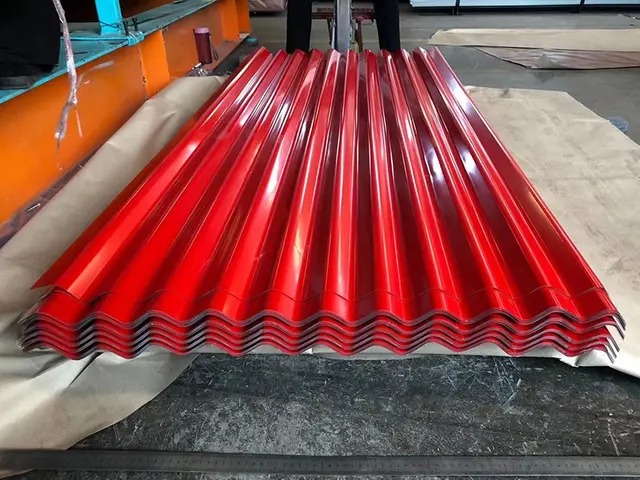
Choosing a corrugated sheet—specifically a lightweight one—makes the installation process significantly faster. Because the ribs provide internal strength, workers can handle large panels without them flopping or folding. This rigidity is essential when working at heights on a metal roofing project.
Why Contractors Prefer Corrugated Profiles
Easy Overlapping: The waves are designed to nest into each other, creating a watertight seal at the joints.
Fewer Supports: Because the corrugated sheet is stiff, you can space your purlins (support beams) further apart.
Versatility: These sheets work perfectly for everything from high-end architectural industrial siding to simple backyard tool sheds.
When you use Galvanized materials, you also save time on site. There is no need to paint the steel immediately to prevent rust. The material arrives ready to face the elements, allowing the construction schedule to move forward regardless of the weather.
Cost-Effectiveness and Long-Term Value
When analyzing the budget, a corrugated sheet is often the most economical choice for covering large areas. While the initial price might be higher than wood or basic plastic, the "total cost of ownership" is much lower.
Breaking Down the Investment
Low Maintenance: A Galvanized surface doesn't require annual staining or sealing.
Energy Efficiency: When used as metal roofing, the reflective nature of the zinc coating can bounce solar heat away, lowering cooling costs.
Recyclability: Steel is 100% recyclable. At the end of its life, your corrugated sheet has scrap value.
By selecting a lightweight yet strong profile, you also save on shipping and labor costs. It is an efficient use of resources that provides a high-end look for industrial siding without the high-end price tag of stone or brick.
Making the Right Choice: Factors to Consider
Assessing Your Load Requirements
Before buying a corrugated sheet, you must calculate the "load-bearing" requirements. If you live in an area with heavy snow, you need a deeper rib profile. The deeper the "wave," the stronger the sheet. A Galvanized coating won't help with snow weight, but the corrugated shape will.
Choosing the Right Coating Thickness
Not all Galvanized coatings are equal. For internal industrial siding where there is no rain, a thin coating is fine. For metal roofing, always insist on a higher zinc grade. This ensures that your corrugated sheet remains rust-free even after years of bird droppings, fallen leaves, and rain.
Conclusion
The difference between galvanized and corrugated sheets is the difference between protection and power. Galvanized is the shield that protects the steel from its greatest enemy: rust. Corrugated is the engineering marvel that turns a thin, lightweight piece of metal into a structural powerhouse capable of sheltering large buildings.
When you combine them, you get a corrugated sheet that is durable, cost-effective, and easy to install. Whether you are focused on metal roofing for a new home or industrial siding for a warehouse, understanding these two terms ensures you get exactly what your project needs.
FAQ
Q: Can I get a corrugated sheet that isn't galvanized?
A: Yes, you can find them in aluminum, stainless steel, or even plastic. However, for most industrial uses, Galvanized steel offers the best balance of price and strength.
Q: Is a Pre painted sheet better than a galvanized one?
A: A Pre painted corrugated sheet is usually galvanized first and then painted. This provides two layers of protection and is the best choice for aesthetics and extreme durability.
Q: Does the "wave" size matter for my corrugated sheet?
A: Absolutely. Larger waves (profiles) are generally used for metal roofing to handle water flow, while smaller, finer waves are often used for decorative industrial siding.
Why Partner With Us for Your B2B Needs?
As a leading manufacturer in the steel industry, we understand that B2B clients require more than just a product; they require a reliable supply chain and consistent quality. Our factory is equipped with state-of-the-art cold-rolling and galvanizing lines, allowing us to produce corrugated sheet products that meet strict international standards. We specialize in high-volume orders for industrial siding and metal roofing, ensuring that every Galvanized or Pre painted panel leaves our facility with perfect dimensions and coating uniformity.
Our strength lies in our ability to customize. Whether you need a specific lightweight gauge for a large-scale warehouse or a high-zinc G90 coating for coastal projects, we have the technical expertise to deliver. We pride ourselves on being a foundational partner for construction companies and wholesalers worldwide, providing the "heavy lifting" in manufacturing so you can focus on building the future.